Song Meaning
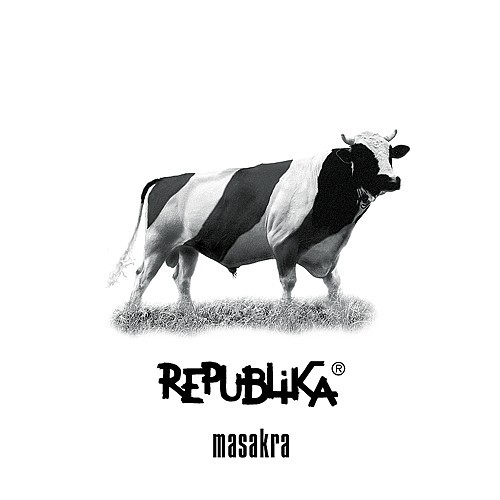
The song opens with a vivid, almost unsettling image of "compromises" as "holy cows" that "moo" to save the narrator. These aren't just abstract ideas; they're presented as a "whole herd" grazing, suggesting a pervasive, almost overwhelming presence of appeasement and conformity. The narrator finds these figures "slippery" and "kind," watching with "concern" as they "swim against the current," a stark contrast to the impending "waterfall." This sets up a central tension between the suffocating comfort of societal expectations and a desperate yearning for something more authentic, even if destructive.
The core of the song lies in this visceral rejection of compromise. The repeated, almost chanted "I prefer massacre" isn't a literal desire for violence, but a powerful metaphor for choosing a definitive, albeit potentially catastrophic, end over a slow, soul-crushing erosion of self. The "herd" of compromises "tickles" the narrator as the "waterfall" approaches, implying that even the gentle pressures of conformity feel like a prelude to oblivion. The desire to "hear that boom" signifies a craving for a decisive, impactful event, a stark contrast to the passive, "slippery" kindness of the compromises.
The most striking aspect of the lyrics is the personification of abstract concepts like compromise into a predatory, yet seemingly benevolent, herd. These "holy cows" are "meatless," highlighting their emptiness and lack of substance, yet they actively try to "save" the narrator. This ironic portrayal underscores the narrator's disillusionment; the very things meant to protect are seen as a threat to genuine existence. The overwhelming repetition of "I prefer massacre" acts as a primal scream, a defiant declaration against the insidious nature of appeasement that offers safety at the cost of self.
Ultimately, the effectiveness of these lyrics stems from their raw, confrontational imagery and the stark emotional dichotomy they present. The narrator isn't seeking a middle ground; they're embracing the extreme as a form of liberation. The song taps into a deep-seated frustration with societal pressures that demand conformity, offering a cathartic release through the imagined embrace of a definitive, albeit destructive, "massacre" over the slow death of compromise. It's a powerful articulation of choosing authenticity, even if it means facing annihilation.
 View Artist