Song Meaning
The lyrics paint a picture of someone who feels fundamentally incapable of living up to societal or personal expectations, framing their existence through a series of failures. The opening stanzas are a relentless catalog of things the narrator couldn't do: "couldn't live freely," "couldn't be spoiled," "couldn't run away," "couldn't be touched." This establishes an immediate tone of inadequacy and self-recrimination, highlighting a deep-seated inability to navigate basic social and emotional interactions. The repetition of "出来ませんでした" (couldn't do it) hammers home this pervasive sense of failure.
The central tension arises from the narrator's perceived inability to perform basic life functions, contrasted with a persistent, albeit conflicted, affection for humanity. Despite being unable to "flatter," "dodge lightly," "jump high," or "fall properly," the narrator admits, "I surely liked people." This creates a poignant internal conflict: a desire for connection and normalcy clashing with an overwhelming sense of personal failing. The lyrics suggest a person who wants to engage with the world but is paralyzed by their own perceived shortcomings.
A striking element is the recurring motif of "恥の多い生涯" (a life full of shame), which shifts from a statement of fact to a source of self-mockery. Initially, the narrator states they "lived a life full of shame," but later, they are "laughing at a life full of shame." This evolution suggests a coping mechanism, a way of dealing with profound disappointment by finding dark humor in their own perceived failures. The metaphor of being a "stepped on, kicked" and yet "unable to hate" further emphasizes this self-defeating, almost masochistic, acceptance of mistreatment, leading to the declaration "cat disqualification."
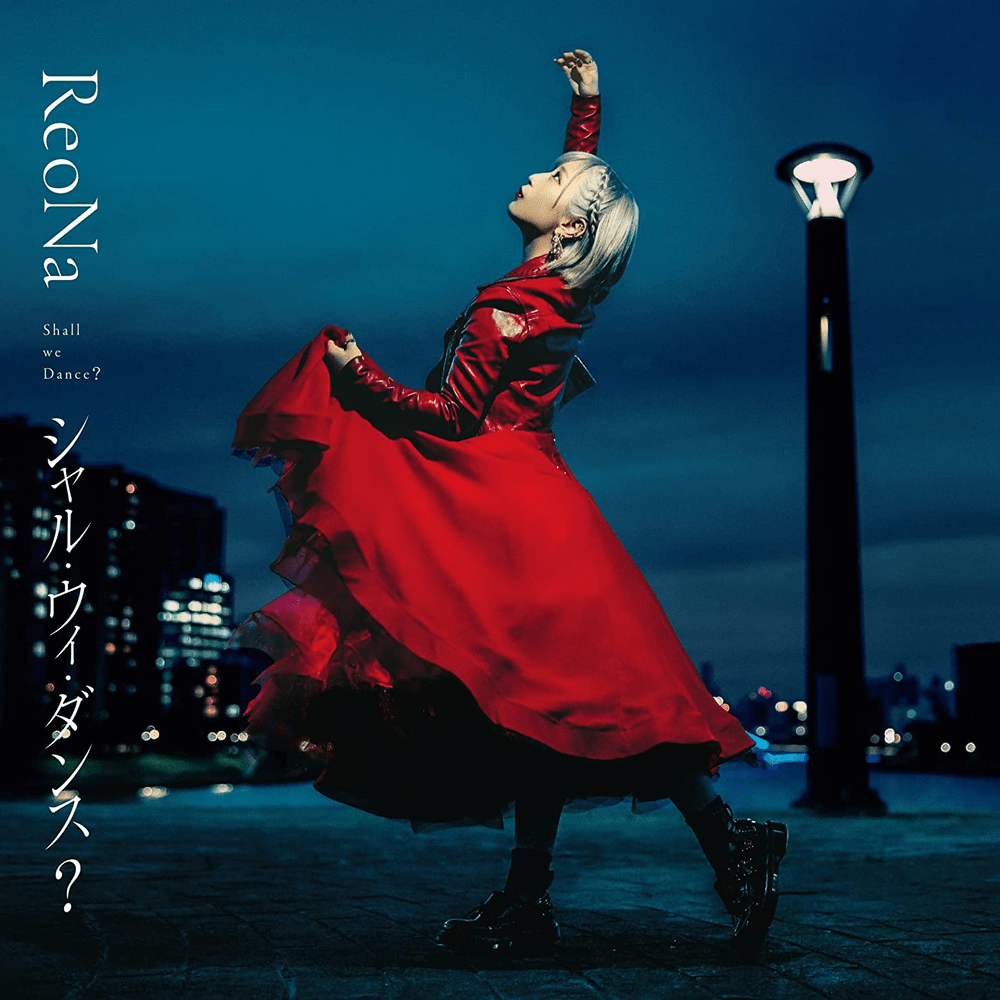
 View Artist