Song Meaning
The lyrics paint a picture of enduring hardship, where each new wound signifies being alive. The narrator grapples with a sense of inadequacy and the struggle to move forward, acknowledging that mistakes and pain are part of the process. This raw, almost brutal, acceptance of suffering sets a somber yet determined tone.
The central tension lies in the contrast between the narrator's internal pain and the external world. Phrases like "息を吸って吐いたら苦しいこと" (Breathing in and out is painful) and "痛みに慣れて行く" (getting used to the pain) highlight a persistent struggle. Yet, the recurring "No enough," "No escape," and "No fear" in the pre-chorus suggest a defiant push against these limitations, an insistence on moving forward despite the brokenness.
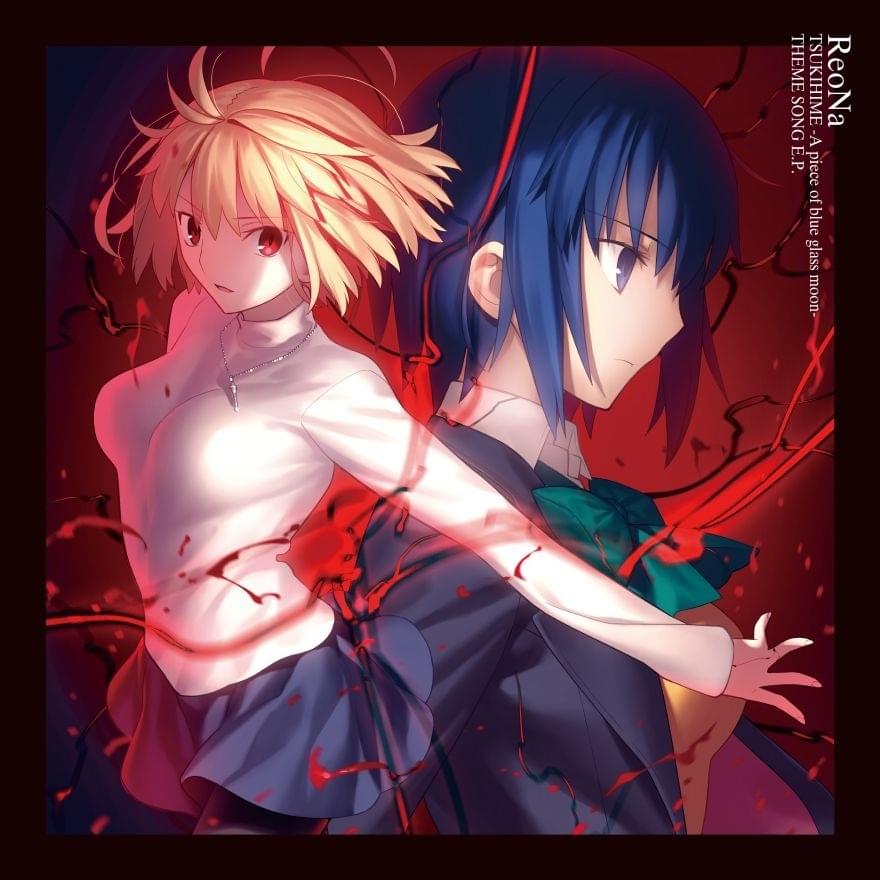
The imagery of a "綺麗な月" (beautiful moon) that is "歪なままひび割れている" (cracked and distorted) is particularly striking. This moon, described as shining "この世界で一つ" (the only one in this world), seems to represent a fragile ideal or a source of hope that is itself imperfect and damaged. It mirrors the narrator's own state, suggesting that beauty and resilience can exist even within brokenness, a theme reinforced by the repeated "Juvenile" in the chorus, evoking a sense of youthful, perhaps naive, but persistent spirit.
Ultimately, the lyrics resonate because they articulate a profound, albeit painful, affirmation of life. The narrator finds a way to acknowledge suffering without succumbing to it, finding a glimmer of beauty in imperfection. The repeated "No fear" and the image of the cracked moon suggest that even in a world that feels broken, there is a unique, albeit fragile, light to be found and followed.
 View Artist