Song Meaning
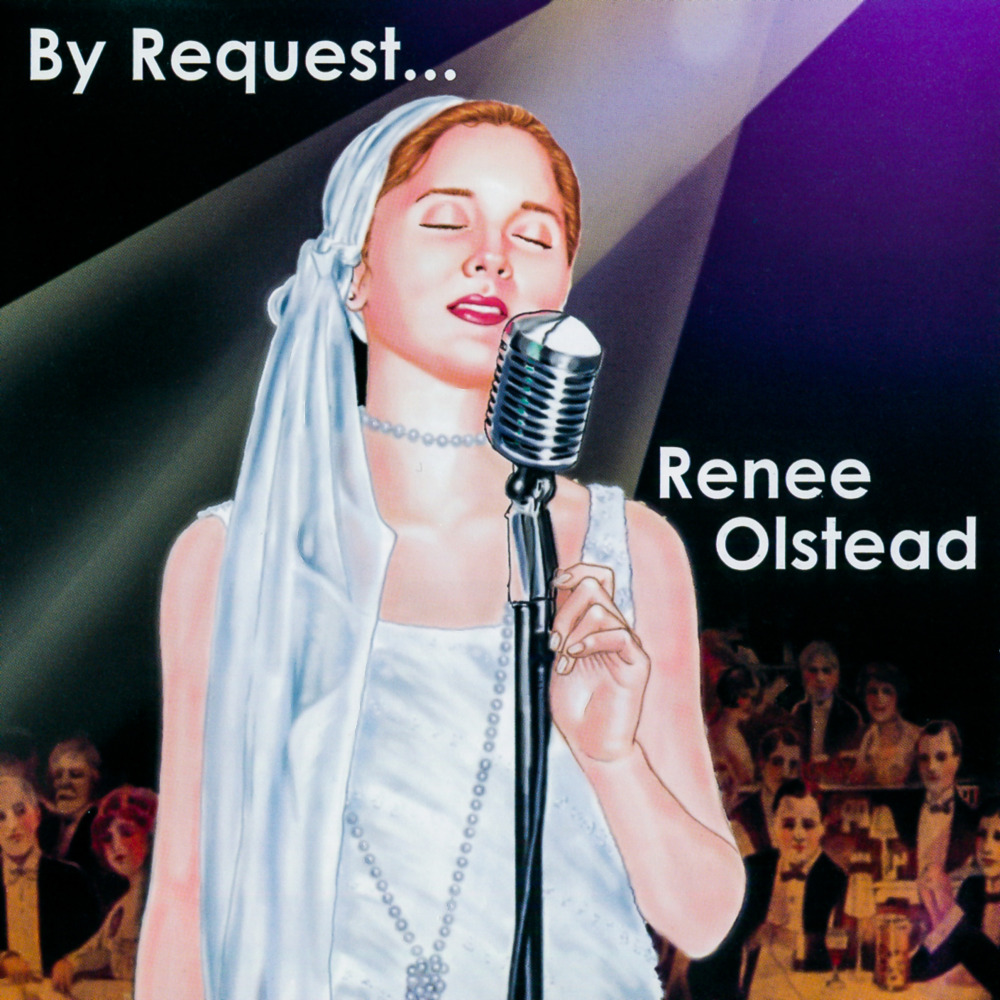
Renee Olstead's rendition of "What a Wonderful World" arrives not as naive optimism, but as a hard-won perspective. The song, initially a signature piece for Louis Armstrong, gains new layers in Olstead's interpretation, becoming less a declaration and more a fragile, hopeful mantra. The opening lines, with their simple imagery of "trees of green, red roses too," aren't just pretty pictures; they're conscious choices to focus on beauty in a world that often obscures it. This version asks us to actively *see* the wonder, not just passively accept it. It's a crucial distinction.
The lyric's genius lies in its juxtaposition of grand, natural beauty ("skies of blue, clouds of white") with the intimate connections between people. The rainbow isn't just in the sky; it's reflected "on the faces of people going by." Olstead emphasizes the subtle acts of kindness and connection – the handshake that masks a deeper "I love you." This speaks to the human need for connection, and the often-hidden depths of feeling beneath everyday interactions. In a world increasingly defined by surface-level communication, the song urges us to look deeper, to recognize the love and humanity that persist.
Perhaps the most poignant lines are those concerning the babies crying and growing, destined to "learn much more than I'll ever know." This isn't just about the cycle of life; it’s an acknowledgment of our own limitations and a hopeful glance toward the future. Olstead’s "What a Wonderful World" acknowledges darkness and pain, but chooses, deliberately and bravely, to find and cherish the light. The repeated affirmation, "I think to myself, what a wonderful world," becomes a powerful act of self-persuasion, a daily practice of gratitude in the face of adversity. It’s a reminder that wonder isn't a given; it's a choice.
 View Artist