Song Meaning
Renee Olstead's "Meet Me, Midnight" isn't just a song; it's an unapologetic manifesto for the night owl, a sultry ode to nocturnal pleasures. The lyrics paint a vivid picture of someone who finds their true self, their 'paradise,' under the cloak of darkness. It's a rejection of the conventional, the 'sunrise' enthusiasm of the 9-to-5 world, in favor of a more sensual, liberated existence. Olstead isn't just suggesting a late-night rendezvous; she's proposing a shift in perspective. The repeated invitation, 'Meet me, midnight,' becomes a call to shed inhibitions and embrace a different rhythm of life. The mention of 'wine and candlelight' further underscores the intimate, almost secretive nature of these nocturnal encounters. It's about connection, indulgence, and a deliberate turning away from the mundane.
Beneath the surface, "Meet Me, Midnight" hints at a deeper psychological undercurrent. The preference for midnight suggests a desire for control and autonomy. In the darkness, the protagonist dictates the terms, sets the mood, and invites others into their carefully curated world. It's a space where vulnerability and authenticity can flourish, away from the judging eyes of daylight. The playful, almost scat-like vocalizations ('Shan new a dee, dovaa, bop-a-do-bop-sha-dop-a-do-wee') add to the sense of carefree abandon, a letting go of societal constraints. The song subtly critiques the pressure to conform to early-bird productivity, positioning midnight as a realm of genuine self-expression.
Even the Cinderella reference is telling. Olstead sings, 'Oh Cinderella, She had it wrong,' suggesting that midnight isn't an hour of reckoning but rather the beginning of something magical. It's a reclaiming of the night, a declaration that the best moments don't necessarily happen before the clock strikes twelve. The lyrics analysis reveals a celebration of individuality, a sensual embrace of the unconventional, and a knowing wink to those who find their power and pleasure in the shadows. "Meet Me, Midnight" is more than just a catchy tune; it's an invitation to redefine what 'prime time' truly means.
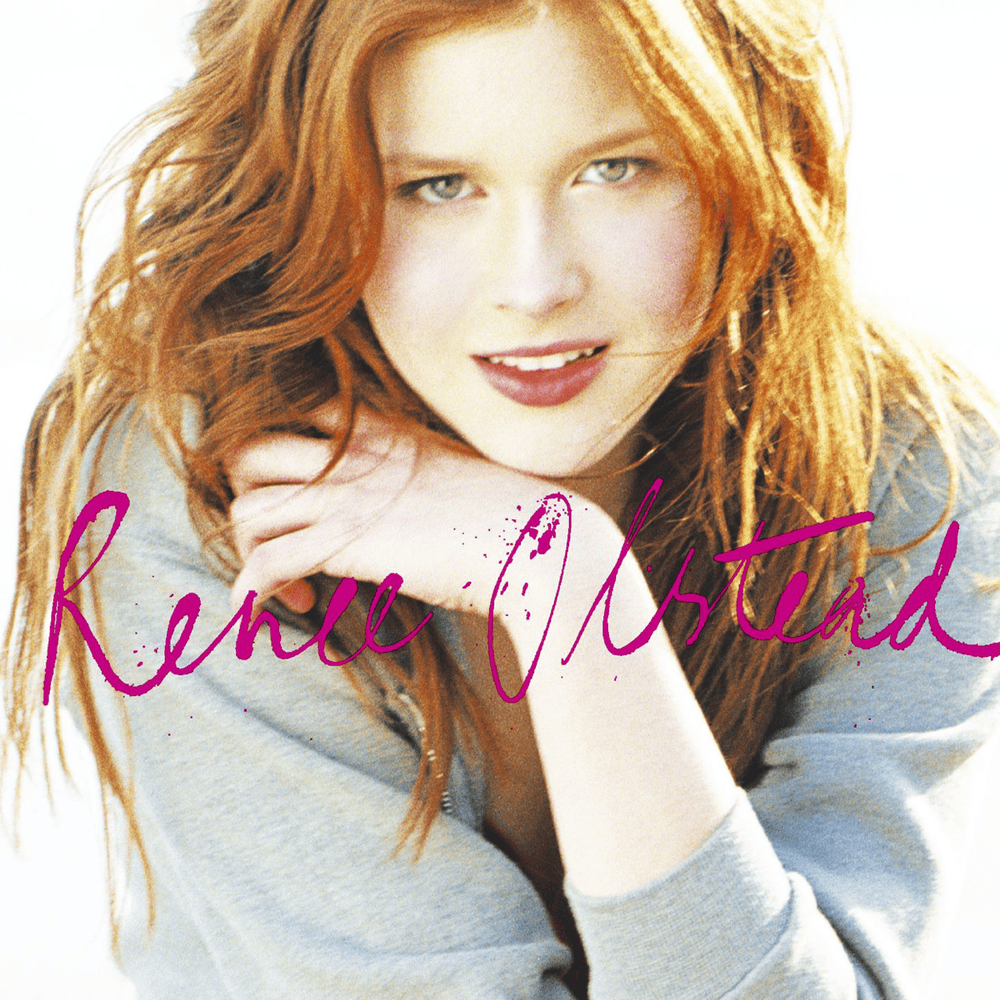
 View Artist