Song Meaning
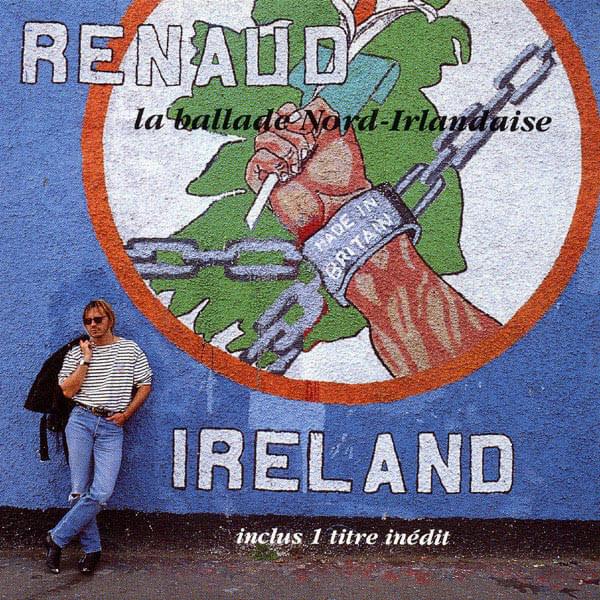
The lyrics open with a stark, almost poetic ambition: to plant an "oranger" (orange tree) in a place where the "chanson n'en verra jamais" (song will never see one). This immediate contrast is amplified by the grim reality that the local trees have only ever yielded "grenades dégoupillées" (unpinned grenades). The speaker embarks on a journey to "Derry ma bien aimée," a place clearly marked by deep-seated conflict.
The central tension emerges from the speaker's idealistic proposition against this backdrop of violence. Addressing the fighting men, the speaker suggests simple human connection: "Buvons un verre, allons pêcher" (Let's have a drink, let's go fishing). The belief is that "la bière et l'amitié / Et la musique" (beer and friendship and music) are powerful enough to make any war unsustainable, fostering unity through shared joy.
A particularly sharp craft element is the provocative instruction to "Tuez vos dieux à tout jamais" (Kill your gods forever). This bold statement directly implicates religious division as a root cause of the strife, asserting that "sous aucune croix l'amour ne se plaît" (under no cross does love thrive). The lyrics then pivot, emphasizing that "Ce sont les hommes pas les curés / Qui font pousser les orangers" (It's men, not priests, who make orange trees grow), shifting the power to cultivate peace and life from religious institutions to human agency.
Ultimately, the lyrics are effective because they juxtapose brutal reality with a persistent, almost defiant hope. The initial vision of planting an orange tree in barren, violent ground culminates in its blossoming and bearing "Les fruits sucrés de la liberté" (the sweet fruits of liberty). This powerful resolution, echoing the opening lines with a triumphant outcome, suggests that even in the most entrenched conflicts, human connection and a rejection of divisive ideologies can lead to profound peace and freedom.
 View Artist