Song Meaning
The lyrics paint a vivid picture of life as a grand, unstoppable procession, a "carrozzone" that moves forward regardless of who is on board. It’s a stark acknowledgment of mortality, where even the most vibrant individuals eventually disembark. The narrator observes this relentless march, noting the forced gaiety of a "buffone" (jester) trying to ward off death, a futile gesture against the inevitable descent. The imagery of "queens, jesters, kings" suggests a diverse cast of characters, all subject to the same fate.
The central tension lies in the bittersweet appreciation of life juxtaposed with its abrupt end. The narrator recalls the deceased’s own words, "Bella la vita" (Life is beautiful), but acknowledges the harsh reality that "Proprio sul meglio / T'ha detto no" (Right at the best part, it said no). This contrast highlights the cruel irony of life’s beauty being cut short, leaving behind a "ricca povertà" (rich poverty) and unfinished dreams. The "carrozzone" continues, indifferent to the individual loss, emphasizing the ongoing nature of existence for those left behind.
The most striking craft element is the persistent, almost hypnotic repetition of "Il carrozzone va avanti da sé" (The procession moves forward on its own). This phrase acts as a refrain, underscoring the impersonal and autonomous nature of this life-and-death cycle. The lyrics also employ a poignant contrast between past vitality – "Ridevi forte la paura e l'allegria" (You laughed loudly at fear and joy) – and the present "Facce truccate di malinconia" (Faces painted with melancholy) on the continuing "carrozzone." This highlights the emotional weight carried by those still traveling, even as the world moves on.
Ultimately, these lyrics resonate because they capture a universal human experience with unflinching honesty. The writing doesn't shy away from the pain of loss but frames it within the larger, indifferent flow of life. The acknowledgment that "Tutto continua anche senza di te" (Everything continues even without you) is both heartbreaking and strangely comforting, suggesting that while individual lives end, the grand procession of existence, with all its beauty and sorrow, marches on.
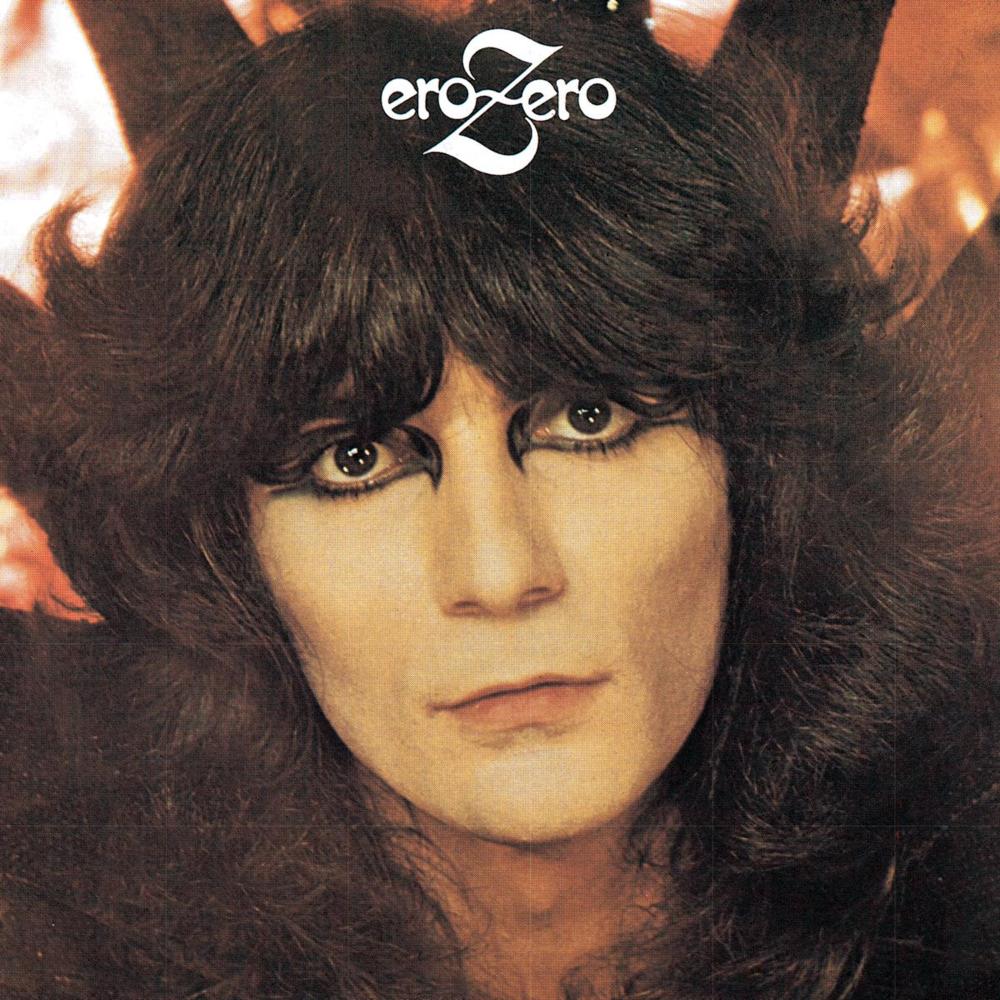
 View Artist