Song Meaning
“Szmaciana” immediately plunges the listener into a world of relentless external judgment. An unnamed “they” accuse the subject of being “simply bad” and cowardly. The atmosphere is one of constant threat and impending dismissal. It’s a stark portrayal of being targeted and misunderstood.
This oppressive force doesn't just judge; it actively seeks to diminish. “They will assume that you are ignorance,” the lyrics state, threatening to “drown you in the mass.” The cruelty escalates from verbal attacks – “the coldness of cold sentences” – to outright betrayal, with a “knife in your back” for any misstep. This creates a suffocating sense of being watched and controlled, where conformity is demanded, and individuality punished.
Amidst this hostile environment, a new voice emerges, offering a stark contrast. “Let me hide you, rag doll,” the protector pleads, a tender yet slightly unsettling address. The “rag doll” image is potent; it suggests fragility and perhaps a history of being tossed aside, yet also a resilience, a lack of true vulnerability to “their” physical harm. This intimate offer of refuge, promising to keep “them” searching “for a hundred years,” shifts the narrative from passive victimhood to a shared, defiant escape.
The protector’s knowledge becomes a powerful, almost illicit bond. “I know so much,” they confess, hinting at a subversive understanding of the world that feels almost “a sin.” This shared secret culminates in a cynical, class-conscious instruction: not to rise “when the rooster gives a sign to the poor.” It’s a direct rejection of the societal grind, suggesting that the rich are simply “to sleep” while others toil.
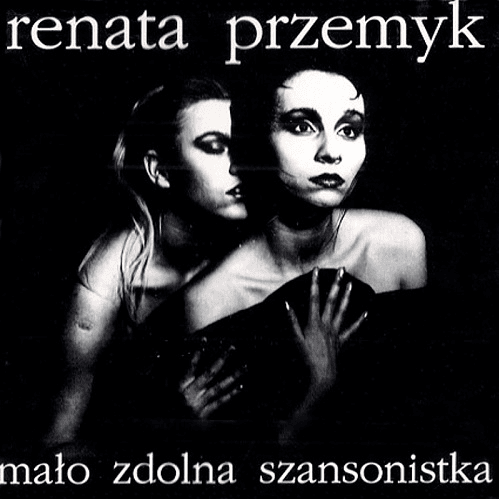
 View Artist