Song Meaning
The lyrics paint a stark picture of a relationship's painful end, where the narrator pleads for an end to physical intimacy and emotional appeals. There's a palpable sense of finality, a desperate request to cease all gestures of affection, like kisses on eyelids or embracing hands, as if these actions only amplify the existing sorrow. The repetition of "Nie rań mnie już więcej" (Don't hurt me anymore) underscores a deep well of past pain that the narrator can no longer endure.
The central tension lies in the contrast between the desire for comfort and the reality of irreparable damage. The narrator rejects the idea of a "lekki dotyk" (light touch) that might chase away sleep, suggesting that even gentle contact now feels like a violation. The poignant realization that "Nie zdarzy się / Już nigdy dwojga ust / Chwiejny gest" (It will never happen / anymore, two lips / a shaky gesture) highlights the loss of tender, perhaps imperfect, connection that once existed.
The most striking element is the core message: "Nie kochaj / Bo kochać / Nie warto" (Don't love / Because loving / isn't worth it). This isn't a simple breakup anthem; it's a profound disillusionment with love itself, born from overwhelming sadness. The "zapłakany żal" (crying sorrow) and "rozżalone łzy" (grieving tears) are presented as the inevitable outcome of loving, a burden too heavy to bear. The line "Gdy wszystko nasze / Z wyjątkiem nas" (When everything is ours / Except us) perfectly encapsulates the tragic irony of a shared life that has lost its core connection.
This writing is effective because it grounds abstract pain in concrete, sensory details. The "rannej herbaty" (morning tea) and "poranny jęk" (morning groan) evoke the mundane intimacy that has soured, making the emotional devastation feel all the more real. The direct address and urgent tone create an immediate, almost claustrophobic, sense of the narrator's suffering, forcing the listener to confront the raw finality of their plea.
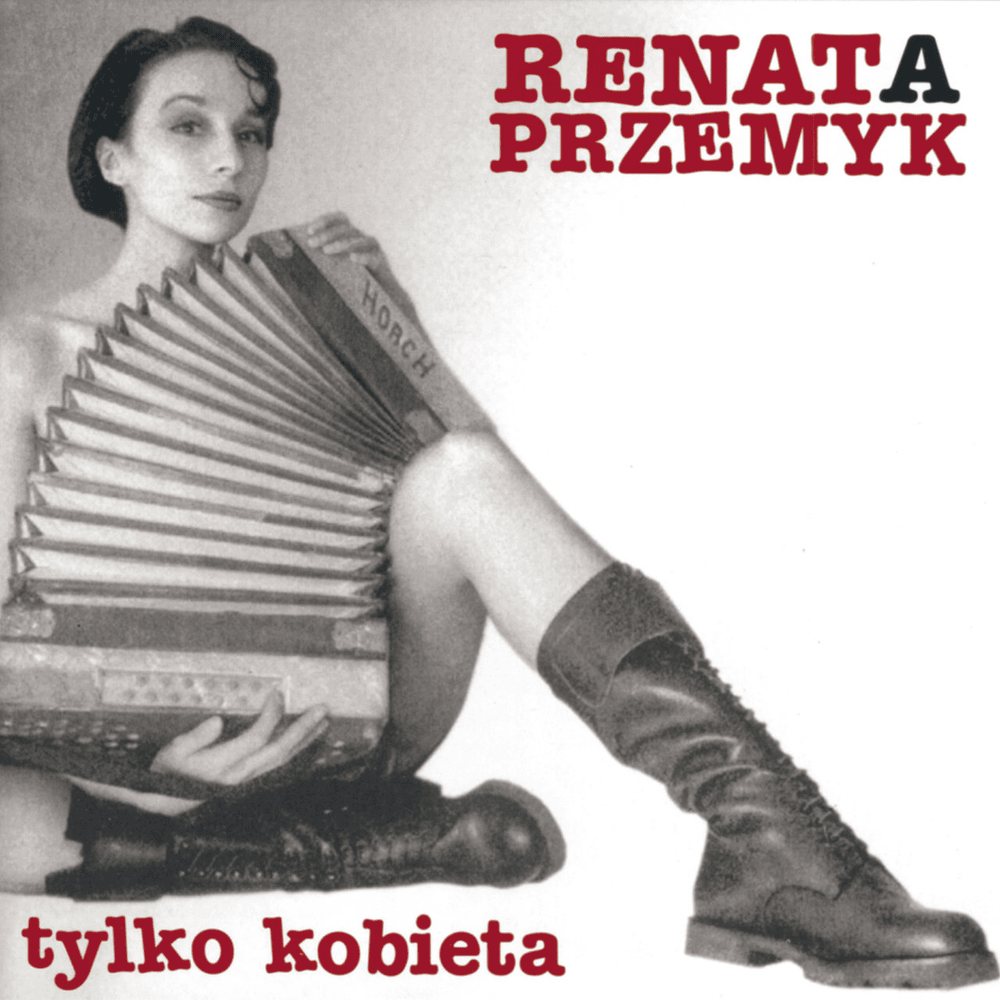
 View Artist