Song Meaning
The narrator is caught in a cycle of hurt and forgiveness, confessing that their lover "hurts too much" but then immediately seeking reconciliation with a smile and a plea for pardon. This creates an immediate tension between pain and an undeniable pull, leaving the narrator bewildered by their own "crazy passion."
The core conflict lies in the narrator's complete lack of control over their own actions and emotions when it comes to this relationship. They admit, "I am not master of myself, I am in your hands," highlighting a profound sense of surrender that conflicts with the pain inflicted. The desire to break free, to say no and follow through on threats of leaving, is constantly undermined by the lover's ability to win them back.
The lyrics reveal a powerful dynamic where physical intimacy becomes the ultimate tool of reconciliation. The lover's ability to "find a way," offer affection, and make things "so good, so good" erases the pain. The repeated phrase "Tira a roupa, fica louca" (Take off your clothes, go crazy) signifies a shift into passionate abandon, where the narrator's promise to leave is forgotten, and forgiveness is automatic, driven by overwhelming love.
This cycle is effective because it captures the irrationality of intense love and addiction. The narrator's self-awareness of the destructive pattern is present, yet the overwhelming physical and emotional pull of the lover makes resistance futile. The final declaration, "I love you too much," serves not as a resolution but as the very reason the cycle continues, cementing the narrator's willing, albeit pained, entrapment.
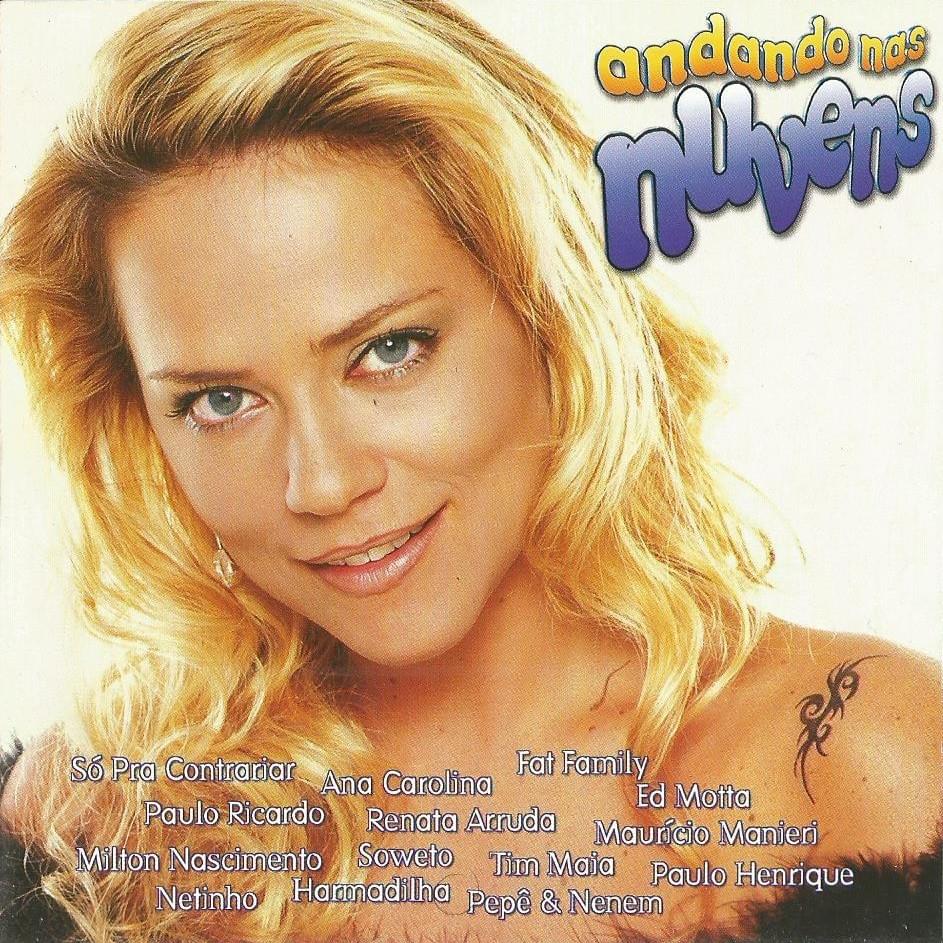
 View Artist