Song Meaning
The narrator is caught in a cycle of self-destructive behavior, following a path they know leads nowhere. They describe wading into a sea, an act that seems impossible to complete or control, suggesting a feeling of being overwhelmed by circumstances or a relationship. This sense of being trapped is palpable, as they acknowledge the futility of their actions even as they continue them.
The central tension lies between the present moment of confusion and a hopeful, yet uncertain, future. The repeated line, "Es šodien jūku prātā" (Today I'm losing my mind), is juxtaposed with "Es rītu būšu brīvs" (Tomorrow I'll be free), creating a stark contrast between current despair and a longed-for liberation. This creates a feeling of being stuck, where the present struggle feels insurmountable, and the promise of freedom remains just out of reach.
The lyrics employ powerful natural imagery to convey this emotional state. The idea of "zvaigznes krīt" (stars fall) for no reason highlights a sense of wasted potential or meaningless effort. Similarly, the narrator enjoys "Tavu sauli" (your sun) only when they are burning and crying, suggesting that pleasure is intertwined with pain. They run in "Tavos sapņos" (your dreams) but never their own, indicating a loss of personal aspiration and an absorption into another's reality.
This writing is effective because it grounds abstract emotional turmoil in concrete, albeit metaphorical, actions and natural phenomena. The repetition of the chorus amplifies the feeling of being stuck in a loop, while the specific images of the sea, falling stars, and the sun that burns and cries make the narrator's internal struggle viscerally understandable. It captures that specific kind of exhaustion where one knows they should stop, but feels powerless to do so.
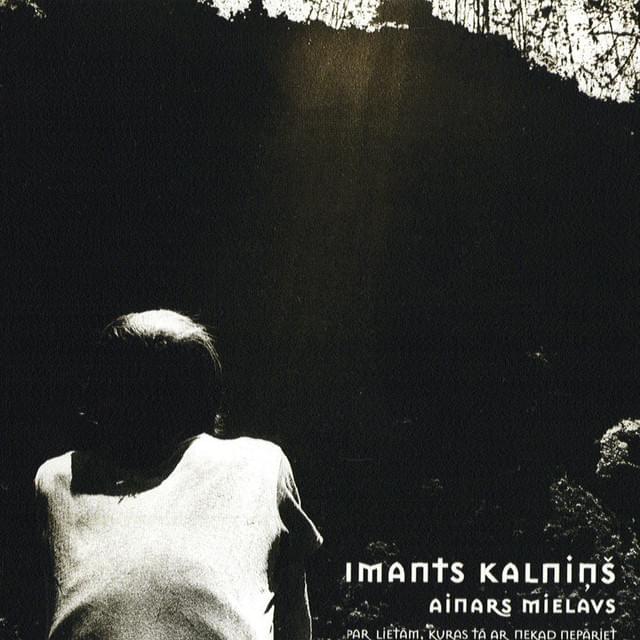
 View Artist