Song Meaning
The lyrics paint a poignant picture of remembrance, centered on tangible keepsakes like letters, ribbons, and a pressed poppy. These objects serve as vessels for memory, carrying the scent of perfume and the touch of a past life. The narrator meticulously preserves these fragments, suggesting a deep emotional connection to the person they represent and the experiences shared.
The central tension lies in the act of remembering versus the fading nature of time and memory itself. The letters are "faded," the ribbons "once held her hair on a younger day," and a poppy is "kept in a frame." These details highlight the fragility of the past, even as the narrator strives to hold onto its essence through these physical remnants. The repeated plea to "remember" underscores the importance of not letting these memories disappear.
The most striking craft element is the subtle shift in perspective and the introduction of a specific, evocative setting. Initially, the focus is on "her" letters and keepsakes. However, the content of the letters reveals "he" writing about "poppy fields" and "Flanders," directly referencing a historical context of war and loss. This layering of personal mementos with a larger, tragic historical event creates a powerful emotional resonance, transforming a personal remembrance into a broader call to acknowledge sacrifice.
This lyrical construction is effective because it grounds abstract concepts like memory and loss in concrete, sensory details. The perfume, the ribbons, the faded ink, and the poppy all make the past feel present and touchable. The eventual pivot to the "children of Flanders" broadens the scope of remembrance, suggesting that these personal keepsakes are part of a larger, shared history that demands to be recalled. The final, stark repetition of "remember" acts as a direct, almost whispered command, solidifying the emotional weight of the preceding verses.
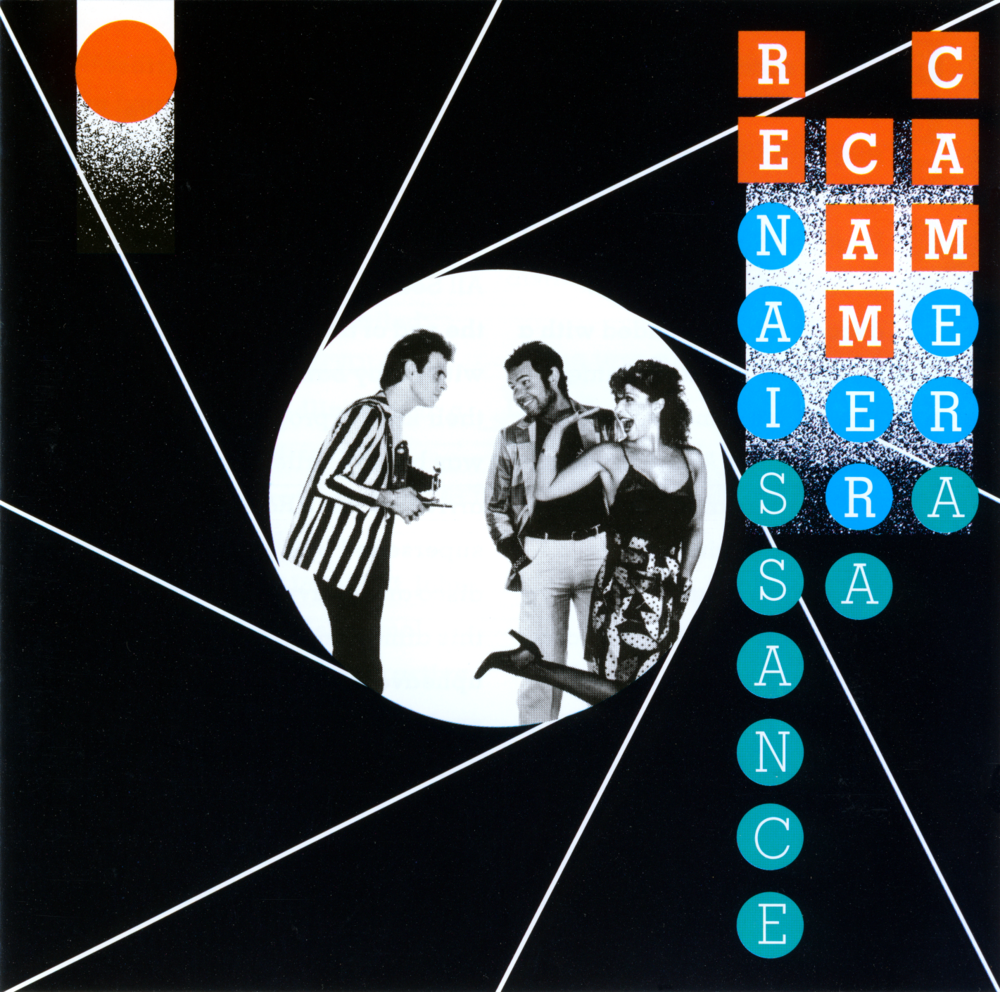
 View Artist