Song Meaning
The lyrics paint a vivid, almost overwhelming picture of existence as a cosmic drift. We're introduced to a state of being "Floating in time," where life itself emerges from "Dust into life" and streams like "Sun stream flowing wide." This initial imagery establishes a sense of vastness and perhaps a lack of control, with the narrator feeling "Adrift in the void," a solitary "Splintering still" against a "Great cosmic star."
The central tension seems to be the search for meaning or connection within this immense, indifferent universe. The narrator is "Chasing bits of joy" and "Ghosting through the void," observing "Clouds go whirling by" and listening for a "cosmic sign." This pursuit feels ephemeral, like trying to grasp fleeting moments under "glowing moons" and "Solar afternoons," where even profound concepts like "Fate and love go by" and "Shooting stars of time" are presented as transient phenomena.
The most striking aspect of the writing is its use of contrasting imagery to define this state of being. A "Skeleton soul" stretches in space, caught between "Echoes of night / And shadows of light." The "brittle stars" are trapped "In orbits of dust," and the "Fragments of sun" are remnants "From having been one." This language suggests a profound sense of fragmentation and loss, a yearning for a past wholeness that is now irretrievable, existing only as scattered remnants within the vast cosmic expanse.
This lyrical construction is effective because it grounds abstract cosmic concepts in relatable feelings of isolation and longing. The imagery of dust, fragments, and echoes creates a palpable sense of something lost or broken, making the grand scale of the universe feel intimately melancholic. The narrator's passive observation and gentle pursuit of "bits of joy" resonate as a quiet, persistent human impulse against an overwhelming backdrop of cosmic indifference.
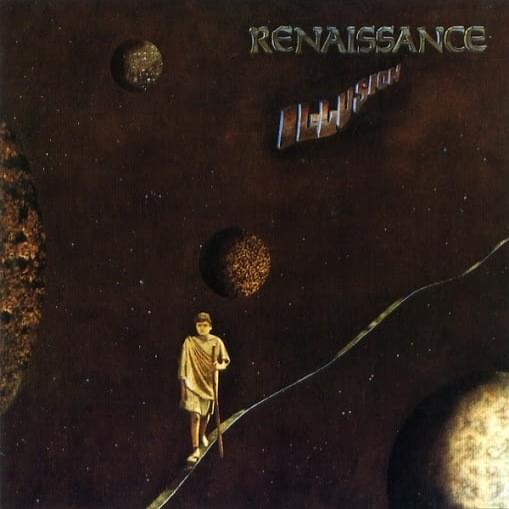
 View Artist