Song Meaning
The lyrics immediately place us at a critical juncture, with a collective "we" poised for change. There's a palpable sense of anticipation, a quiet strength before a new beginning. The repeated phrase "on the frontier" anchors this feeling of being at a threshold. It's a moment of collective readiness.
A central tension emerges between a past state of dissatisfaction and a hopeful future. The declaration "The way is wrong for each of us" reveals a collective discontent, hinting at a system or situation that no longer serves. This contrasts sharply with the promise that "When the dawn is come we will stand strong / Where we belong," suggesting a deep yearning for a rightful place and a sense of collective belonging that is yet to be fully realized. The "seeds of yesterday" breaking through imply that past actions or ideas are now coming to fruition, driving this impending shift.
The insistent, almost chant-like repetition of "We're on the frontier now" acts as a powerful rhythmic anchor, underscoring the immediate and undeniable present moment. This declaration of current positioning is subtly juxtaposed with the earlier image of "shadows in the shade," suggesting a transition from a more subdued or hidden state to an active, present readiness. The shift from waiting for dawn to being "on the frontier now" highlights a crucial move from passive anticipation to active engagement.
Ultimately, the lyrics build to a compelling call for a "peaceful revolution," urging listeners to "leave the dark behind and join the day now." This vision of change is not violent but transformative, driven by the breaking "light" that will "find the blind." The effectiveness lies in its blend of collective empowerment and hopeful clarity, promising an awakening and a shared sense of purpose after a period of uncertainty or obscured vision.
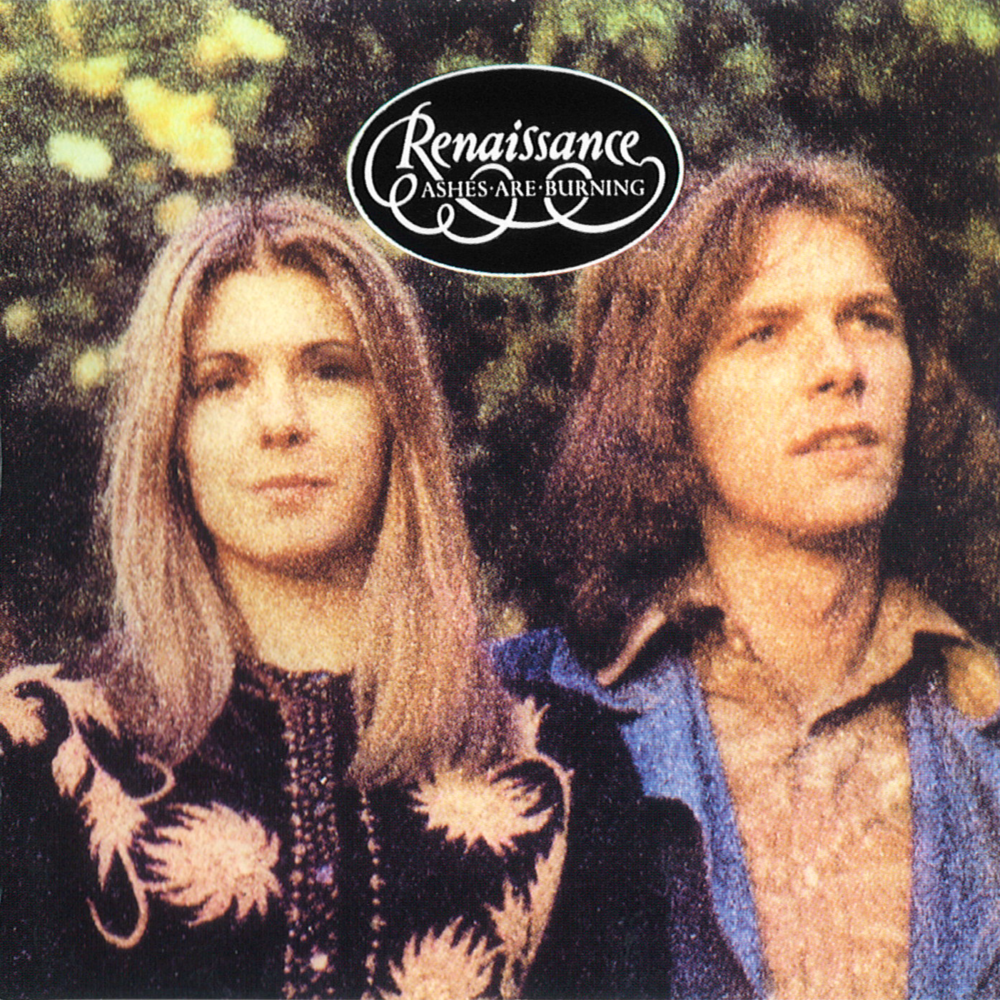
 View Artist