Song Meaning
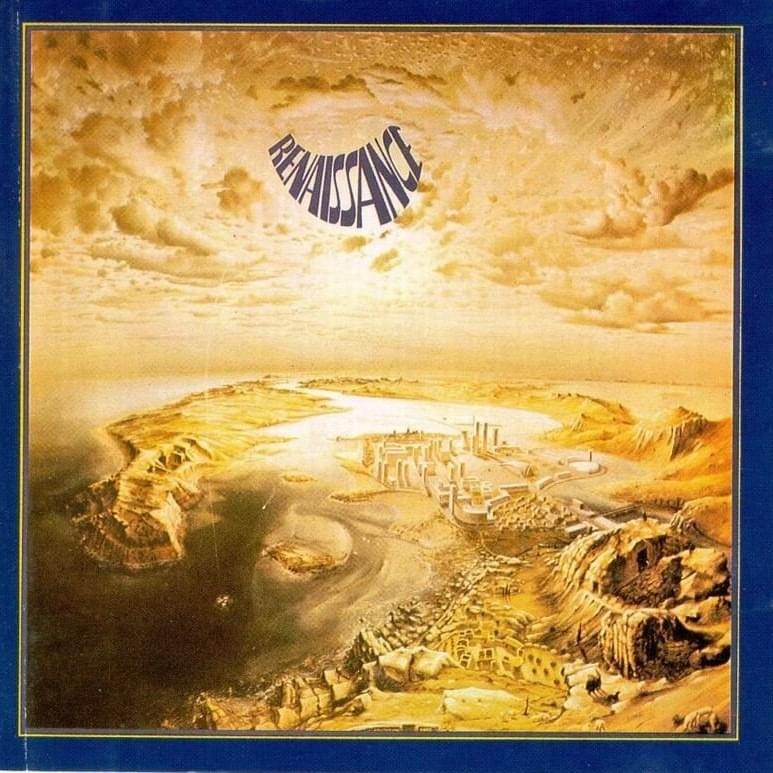
The lyrics paint a picture of an idealized, almost mythical "island" that exists in stark contrast to a mundane, overwhelming reality. This "island" is described as a place of perpetual light and freedom, a sanctuary from the "tired and hopeless waves" of a "suburban sea." The narrator's intense desire to reach this place is the central driving force, repeated with an almost desperate urgency: "I want to be there / For the rest of my time." It suggests a deep yearning for escape and a permanent state of peace.
The core tension lies between the oppressive, ordinary world and the imagined perfection of the island. The "suburban sea" implies a vast, perhaps suffocating, environment that is the opposite of the island's freedom. The repetition of "I want to be there" underscores the narrator's profound dissatisfaction with their current circumstances and their unwavering focus on this distant, perfect destination. The lyrics suggest this isn't just a fleeting wish but a fundamental need for a different existence.
The craft here is in the stark, almost childlike simplicity that amplifies the emotional weight. The imagery is direct: "sun is always bright," "moon sends the darkness away." This uncomplicated portrayal of paradise makes the desire to escape feel more primal. The contrast between the "warm sounds of windsongs" on the island and the distant "tears borne on the breeze" from the outside world highlights the perceived purity of the sanctuary. The narrator's commitment to following "raindrops" towards "sunshine and smiles" is a beautifully simple metaphor for pursuing happiness.
Ultimately, these lyrics resonate because they tap into a universal human longing for a perfect escape. The straightforward language and the insistent repetition of desire create a powerful emotional plea. The island functions as a potent symbol of ultimate peace and fulfillment, a place where all troubles cease and happiness is guaranteed, making the narrator's yearning feel deeply relatable and poignant.
 View Artist