Song Meaning
The lyrics paint a stark picture of internal conflict, juxtaposing youthful anxiety with a hardened exterior. The narrator admits to a deep-seated fear, mirroring that of "you," yet confronts a brutal "puta realidad" each dawn that makes them feel "nadie más frágil que yo." This vulnerability is immediately contrasted with a powerful self-presentation at night: "Pelo acrílico, cuero y tacón / Maquillaje hasta en el corazón." This creates a compelling duality, suggesting a performance of strength to navigate a harsh world, leading to the assertion, "nadie más dura que yo."
The core tension lies in the narrator's desperate need to "sobrevivir, mintiéndome" – to survive by lying to themselves. This self-deception is a coping mechanism, a way to endure the overwhelming reality. The bar scene introduces a pivotal moment where an "ángel" offers a path to transcendence, urging them to "elévate como el humo azul / No sufras más, amor." This encounter seems to be the catalyst for a profound internal shift, where "algo en mi vida cambió."
The most striking aspect is the narrator's determined pursuit of freedom, even if it brings pain. The desire to "Sobreviviré / Buscaré un hogar entre los escombros de mi soledad" reveals a resilient spirit forging a new existence. This new "Paraiso extraño" is defined by the absence of "tu," indicating a painful but necessary separation. The willingness to embrace "libertad, aunque me haga daño" underscores the immense personal cost of this survival, a choice made through continued self-deception.
Ultimately, these lyrics resonate because they capture the exhausting, often lonely, act of self-preservation. The writing effectively uses sharp contrasts – fragility versus hardness, dawn versus dusk, vulnerability versus performance – to illustrate the internal battle. The narrator's commitment to survival, even through self-betrayal, highlights a raw, unflinching portrayal of resilience in the face of profound emotional damage.
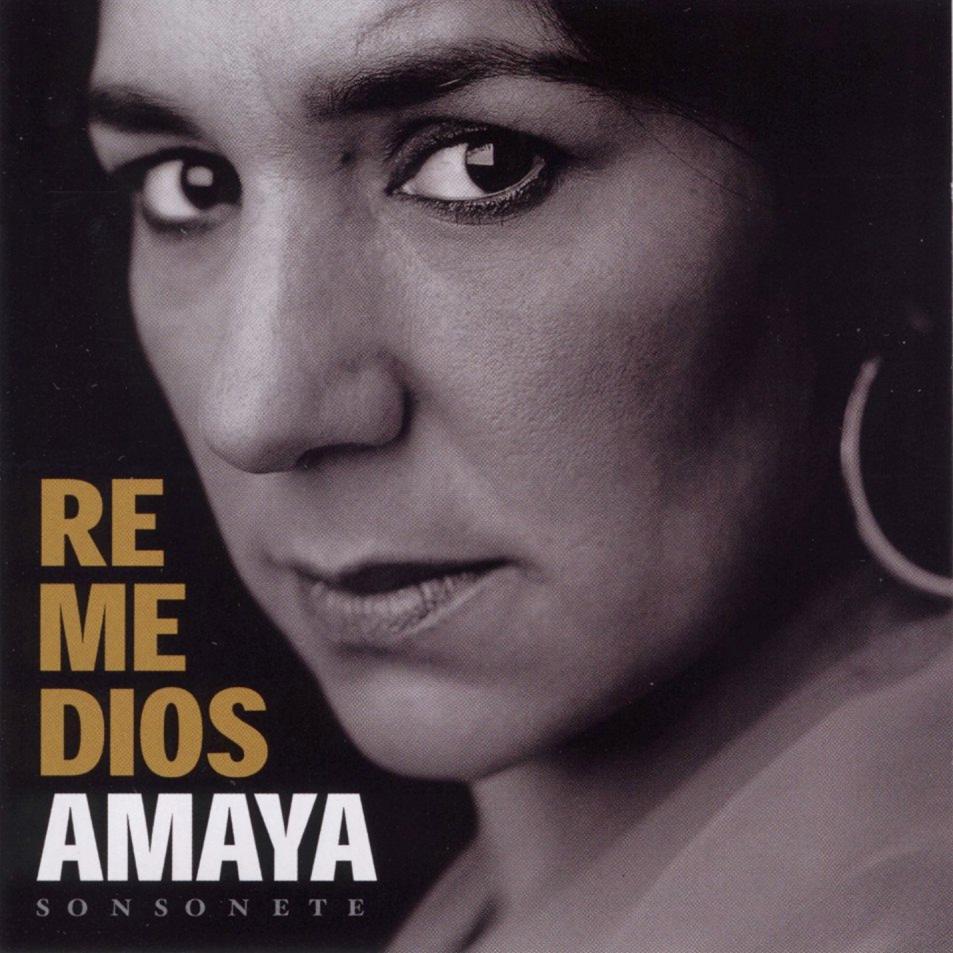
 View Artist