Song Meaning
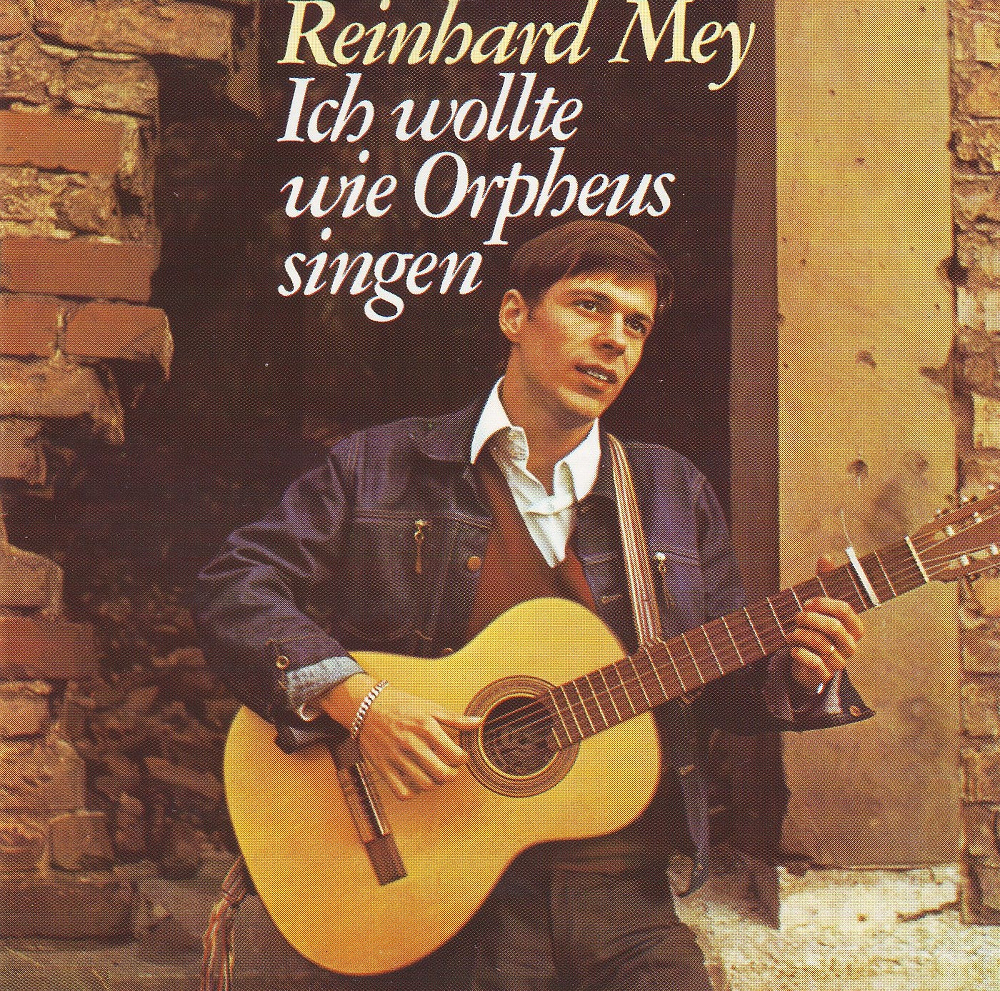
Reinhard Mey's "Ich wollte wie Orpheus singen" isn't just a wistful aspiration; it's a knowing wink at the unattainable ideals of artistic expression. The song's meaning is layered with self-deprecation and a grounded acceptance of reality. Mey begins by invoking Orpheus, the mythical musician whose lyre tamed beasts and moved stones. He paints a picture of music so potent it commands nature itself. But the romanticism quickly crumbles as Mey's persona emerges – a singer whose voice reeks of wine and cigarettes, a far cry from Orpheus's divine instrument. This contrast sets the stage for a central theme: the chasm between artistic ambition and the messy, imperfect reality of being an artist. The lyrics analysis reveals a tension between aspiration and acceptance.
The self-awareness deepens with the lines about pawning his lyre. This isn't the tortured genius sacrificing everything for art; it's a practical musician facing everyday financial concerns. The act of pawning the lyre symbolizes the compromises artists often make, a far cry from the idealized image of Orpheus holding sway over the natural world. Mey sings of offering songs of love and eternity, but receiving only a shared mediocrity in return. This isn't bitterness, but a realistic appraisal of his position. He acknowledges that his art may not move mountains, but it has touched someone – a connection that ultimately outweighs the grand, unattainable gestures of myth.
Ultimately, "Ich wollte wie Orpheus singen" finds its power in its humility. It's a rejection of the grandiose and an embrace of the personal. While Mey may not have commanded the elements or moved stones, he has achieved something more tangible: a connection with another person. The song meaning resides in the quiet triumph of human connection over mythical achievement. The closing lines, "Kein Fels ist zu mir gekommen… Aber ich hab' dich gewonnen," encapsulate the song's core message: that genuine connection is a victory in itself, rendering the unattainable ideals of Orpheus secondary.
 View Artist