Song Meaning
Reinhard Mey's "Frühling in der Großstadt" isn't just a postcard from a city awakening; it's a nuanced study of hope's fragile bloom amidst urban grit. The song's genius lies in its juxtaposition of the mundane – red brick buildings, street corners, the 'noise of spontaneity' from children – with the profound yearning for connection and renewal that spring ignites. Mey captures the subtle shifts in human behavior: coats opened, glances exchanged, and the quiet shedding of winter's isolation. It's less about grand pronouncements and more about the small gestures that signal a collective thaw.
The lyrics subtly explore the psychology of urban existence. The 'red brick in the backyards' metaphorically 'blooms' in the spring light, suggesting a transformation of something typically perceived as cold and sterile. This imagery extends to the 'forgotten' loneliness of the elderly on park benches, momentarily alleviated by the burgeoning life around them. It's a reminder that even in the anonymity of the city, shared experiences – like the arrival of spring – can foster a sense of community and belonging. The song delicately touches on the theme of fleeting moments of happiness as antidote to the crushing weight of urban life.
Ultimately, "Frühling in der Großstadt" finds its emotional core in the simple act of bringing home a tulip. This single flower, purchased from the flower shop across the street, becomes a powerful symbol of hope and affection. The repetition of the line 'Because in the big city, a flower makes spring' underscores the idea that even the smallest gesture of beauty can disrupt the monotony and bring a sense of renewal. It speaks to the human need for beauty and connection, even—or perhaps especially—in the most impersonal of environments. It is a testament to the quiet resilience of the human spirit, finding solace and hope in the simplest of pleasures.
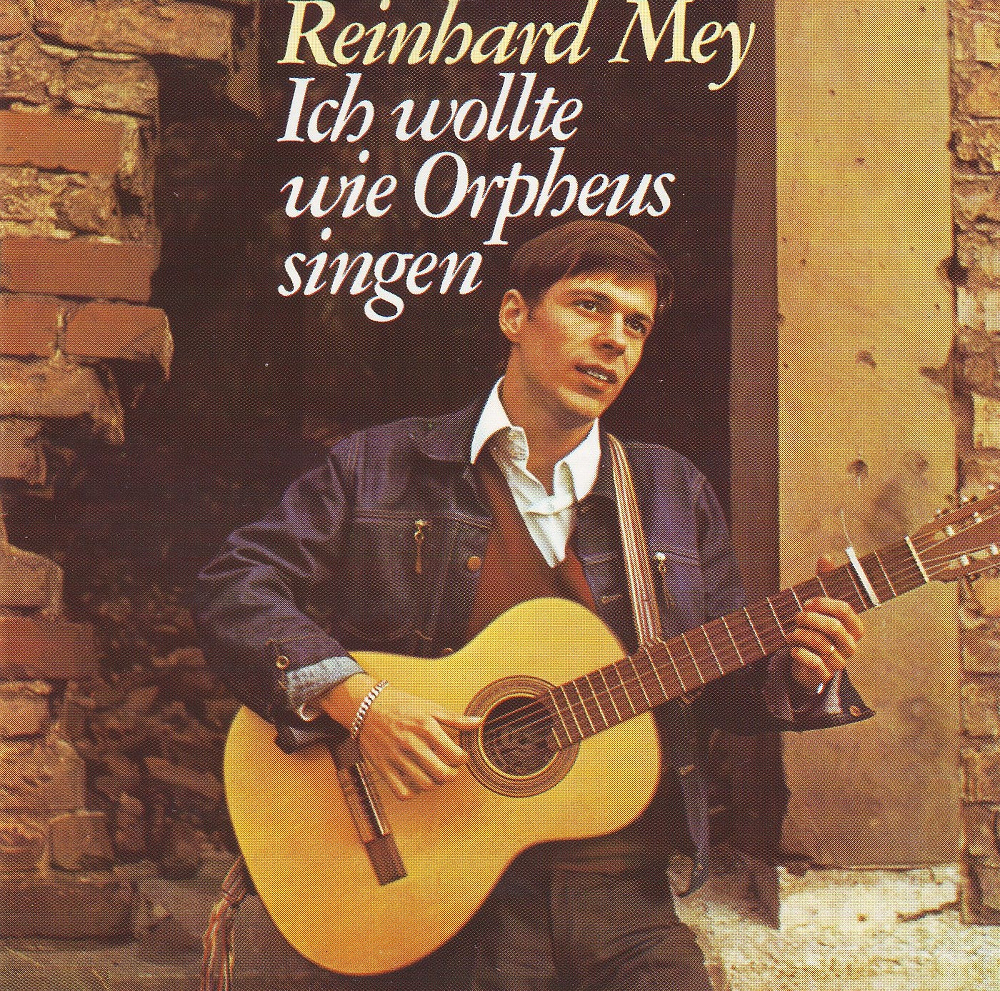
 View Artist