Song Meaning
The lyrics paint a stark picture of societal decay and personal detachment, observed from a detached vantage point. The opening lines throw a barrage of fragmented news headlines and societal ills: unemployment, drug trafficking, political corruption, and racial incidents. This chaotic montage sets a tone of overwhelming negativity, a world seemingly spiraling out of control. The narrator, however, remains passive, "passing pages that are blank," suggesting a disengagement from the unfolding crises.
The central tension lies between the narrator's passive observation and an underlying, albeit suppressed, desire for action or at least acknowledgment. While the narrator "looks out from time to time onto my balcony," witnessing "hurry and disillusionment, heroin and much traffic jams, feelings navigating in alcohol," there's a clear sense of being overwhelmed. This balcony becomes a metaphor for a safe distance, a place from which to witness the world's problems without being directly immersed, yet the "feelings navigating in alcohol" hint at a personal struggle to cope with this detached perspective.
The most striking craft element is the juxtaposition of the mundane and the catastrophic. The lyrics move from "the wedding of the century" and "elections" to "a thousand dead in Asia" and "racial incident" with jarring abruptness. This rapid-fire delivery of disparate events mirrors the overwhelming flow of information in modern life, making it difficult to process or react meaningfully. The repeated refrain, "Meanwhile I keep passing / Pages that are blank / And I look out from time to time onto my balcony," emphasizes this feeling of being adrift, a spectator to a world that offers little solace or direction.
Ultimately, these lyrics resonate because they capture a pervasive sense of helplessness and disillusionment in the face of overwhelming societal problems. The narrator's retreat to the "balcony" is a relatable response to a world that feels too much to handle. However, the final stanza introduces a flicker of defiance, a call to "keep shouting / And bothering the system / And smashing its values without forgiveness." This shift suggests that even from a place of detachment, the urge to resist and fight back against the perceived injustices remains, offering a complex, albeit somber, portrait of modern existence.
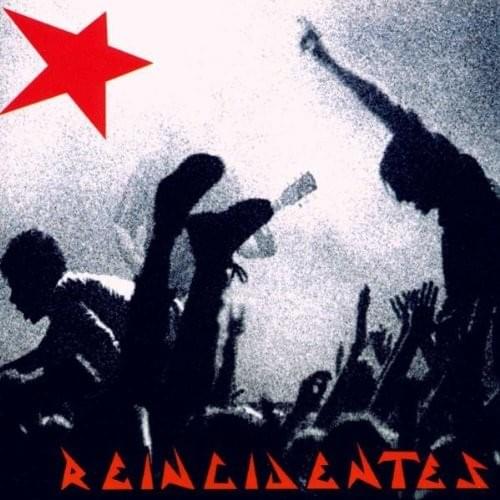
 View Artist