Song Meaning
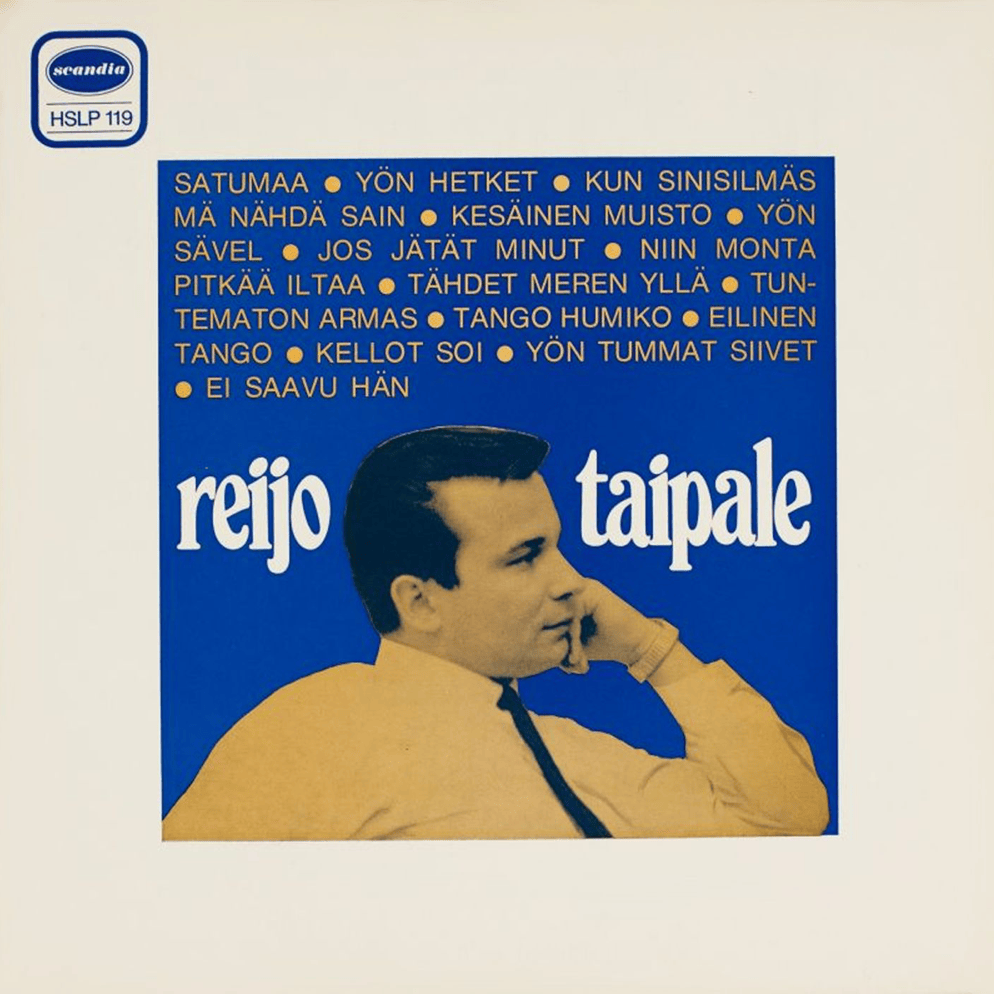
Reijo Taipale's "Tähdet meren yllä" isn't just a love song; it's a carefully constructed psychological landscape reflecting longing, hope, and the transformative power of love. The opening lines paint a scene of nocturnal beauty – "The night is darkening over the sea / The waves repeat their song" – immediately establishing a romantic, almost dreamlike atmosphere. But it's more than just pretty imagery. The sea, a classic symbol of the unconscious, is paired with the stars, representing aspirations and guidance. The singer isn't simply describing a night; he's setting the stage for an emotional journey. The darkness itself becomes a canvas upon which love can project its light. The 'stars above the sea' is a common trope, but here it suggests navigation, not just aesthetically but emotionally. It's about finding one's way to love. The twinkling of that guiding star is not happenstance, instead representing the subconscious draw toward the object of affection.
The journey across the water, repeatedly emphasized, underscores the effort and vulnerability inherent in pursuing love. "Sinun luoksesi soudan / Yli välkkyvän veen" ("I am rowing to you / Over the sparkling water") isn't just a literal voyage; it's a metaphor for the emotional labor required to connect with another person. The sparkling water itself is a powerful image, hinting at the beauty and potential that lie ahead, but also the inherent risks. The boat, described as "valkea venhoni" (white boat), suggests purity of intention and the hope for a clean slate in this pursuit of love. There's a childlike innocence in the anticipation, a belief in the 'ihmeelliseen' (miraculous) power of love to transform.
Ultimately, "Tähdet meren yllä" transcends a simple tale of romance. The lyrics reveal a deep-seated desire for emotional connection and the willingness to navigate the turbulent waters of the heart to achieve it. The recurring image of the starry sky isn't just a backdrop; it's a constant reminder of hope and the possibility of finding light even in the darkest of times. The final verse, emphasizing the banishment of "ankeus harmain" (gray bleakness) speaks to love's capacity to not only bring joy but to actively heal and dispel the shadows of past experiences. The promise of love and the simple act of being with the 'armain' (dearest) is enough to banish sorrow and provide a sense of completeness. The song’s meaning, therefore, is less about the destination and more about the transformative journey undertaken in the pursuit of love.
 View Artist