Song Meaning
Regina Spektor's "The Party" isn't just about revelry; it's a sophisticated meditation on memory, loss, and the bittersweet nature of human connection. The opening verses paint a vivid picture of someone who embodies celebration itself – "You're like a party somebody threw me / You taste like birthday / You look like New Years." But the description quickly acknowledges the inherent chaos: "You leave such a mess but you're so fun." This sets the stage for a deeper exploration of how intense experiences, while exhilarating, often leave lasting marks. The 'party' is a metaphor, hinting at a relationship or period of life defined by its passionate intensity, and its equally potent aftereffects. The bright, almost manic energy is tinged with a sense of something unsustainable. It acknowledges that the high can't last forever, and the subsequent 'mess' is inevitable. This also speaks to a common psychological phenomenon: the tendency to idealize experiences and relationships in retrospect, glossing over the less savory aspects.
The song's chorus is where the true weight of its meaning is revealed. It becomes a series of toasts "For every road we can't retrace / For every memory we can't face / For every name that's been erased." This isn't just about a boisterous celebration; it's a poignant acknowledgement of irreversible change and the ghosts of the past. The celebratory tone is a carefully constructed defense mechanism. The act of raising a glass becomes a way to cope with the pain of loss and the inability to undo past mistakes. The repetition of "Let's have another round" underscores the human tendency to seek solace in distraction, using the present moment to numb the sting of what's been lost. The song meaning here pivots from a surface-level party anthem to a complex emotional reckoning.
Spektor’s lyrical choices highlight how memory shapes our present. The call to “tell all the neighbors to start knocking down walls” and “grab their guitars” suggests a desire for communal catharsis, for shared experience as a means of processing individual pain. This speaks to the fundamental human need for connection and validation, especially in the face of grief or regret. Ultimately, "The Party" is about the stories we tell ourselves to make sense of our past. It's a recognition that even the most joyous occasions are often intertwined with sorrow, and that the act of remembering – even selectively – is essential to navigating the complexities of the human experience. It's a toast to the mess, the memories, and the enduring power of human connection, even in the face of inevitable loss.
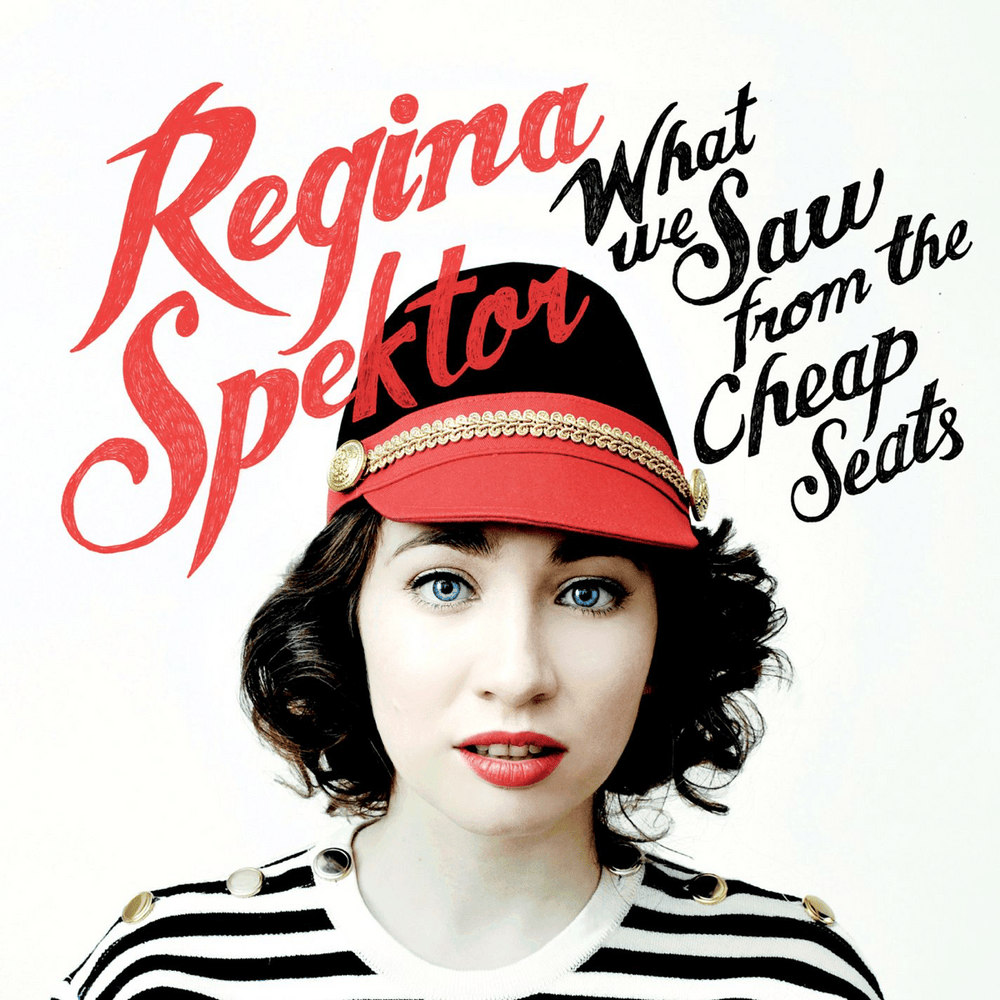
 View Artist