Song Meaning
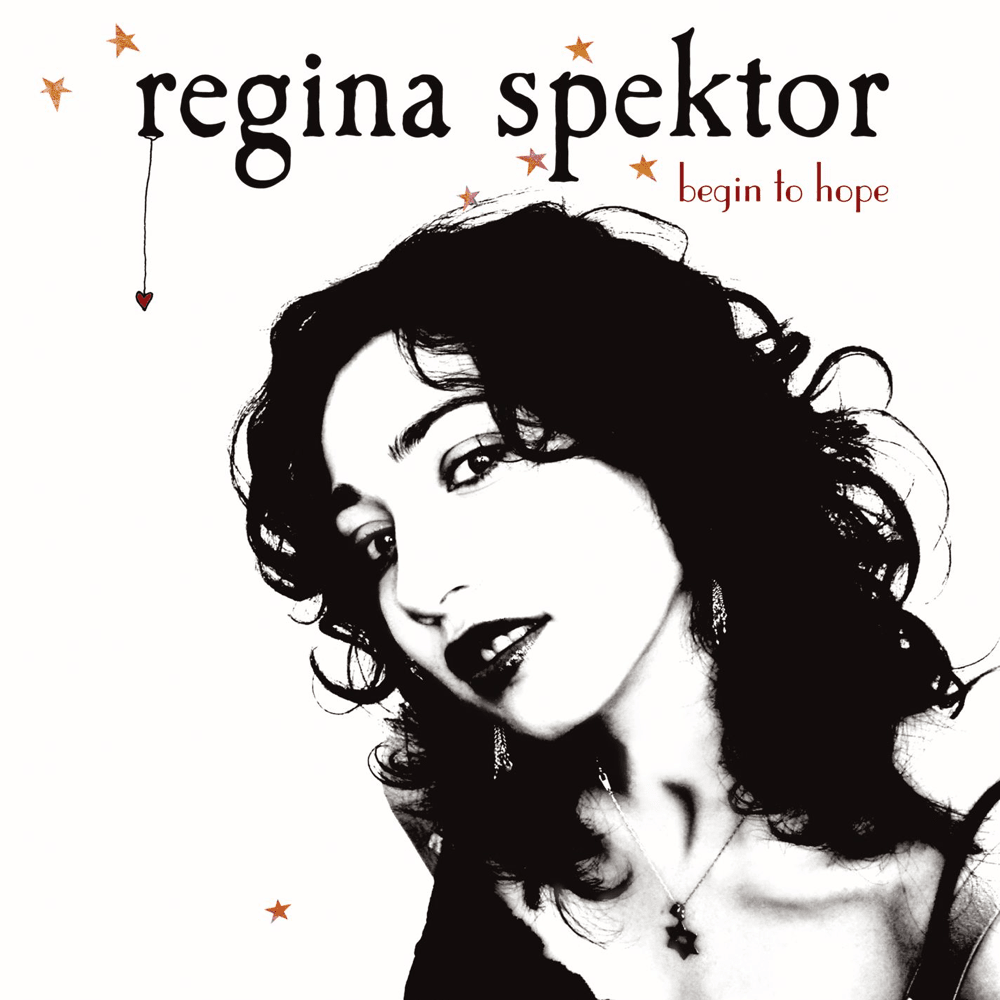
{"song_id": 13406027, "meaning": "Regina Spektor's \"Field Below\" is a haunting meditation on loss and the yearning for a simpler, more natural existence. The song's cyclical structure, built around the repeated plea \"I wish I'd see a field below,\" underscores a deep-seated longing for something absent from the speaker's urban reality. This \"field\" isn't just a physical space; it represents a state of peace, connection, and perhaps even innocence—a stark contrast to the slow, sterile start to the day in the heart of the city. The rooster's crow, a symbol of new beginnings and rural life, further emphasizes this desire for a more grounded existence.
The lyrics hint at a personal loss as well. The lines \"I wish I'd see your face below / I wish I'd hear you whispering low / But you don't live downtown no more\" suggest a separation from a loved one, compounding the speaker's sense of isolation. The absence of this person amplifies the feeling of urban alienation, making the longing for the \"field below\" even more acute. The phrase \"everything must come and go\" adds a layer of resignation, acknowledging the transient nature of life and relationships.
The chorus, with its imagery of darkness spreading \"like ancient bruises,\" paints a picture of emotional pain and unresolved trauma. The line \"the sun was never called\" is particularly evocative, suggesting a world where hope and optimism have been suppressed. Despite the ache and the darkness, the speaker remains awake, aware, and yearning. This persistent wish to \"see a field below\" becomes a mantra, a desperate attempt to hold onto a vision of beauty and tranquility in the face of an increasingly bleak reality. The repetition of this line underscores the depth of the speaker's longing and the enduring power of hope, even in the midst of despair. Ultimately, \"Field Below\" explores the complex interplay between personal grief and the broader human need for connection to nature and to one another. The song meaning resonates as a portrait of modern melancholy."}
 View Artist