Song Meaning
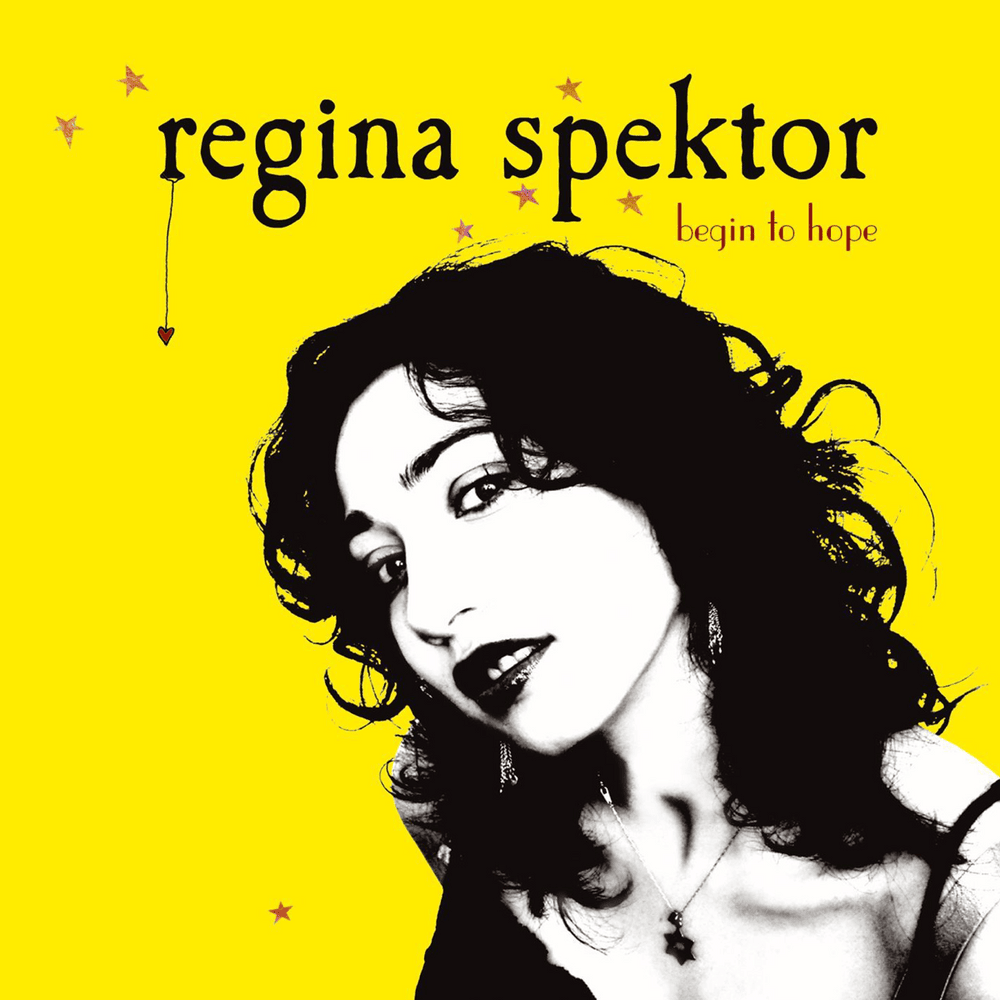
{"song_id": 13406033, "meaning": "Regina Spektor's \"Another Town\" is a masterclass in minimalist world-building, a sonic snow globe encapsulating the cyclical nature of escape and longing. The repetition of the phrase \"In another town\" functions less as a geographical marker and more as a psychological space. It's the 'what if' of the human condition made audible, a constant shifting of scenery that ultimately fails to resolve the core emotional tension. Each verse introduces a new facet of this transient existence: regret, coldness, a sense of being worn down, but also moments of unexpected grace – a free drink, a kindred spirit, the illumination of a room. These fleeting positives are undercut by the ever-present awareness of impermanence.
The recurring declaration, \"But I know I know I know / I love you,\" acts as an anchor amidst the swirling uncertainty. It's a lifeline thrown across the void of displacement. This love, seemingly the only constant, is juxtaposed against the backdrop of transient experiences and material loss (\"I've sold all my gold\"). The lyrics suggest a prioritization of emotional connection over worldly possessions, a theme Spektor has explored with nuance throughout her career. It could be interpreted as a love for a person, a place, or even a state of being.
Ultimately, the song meaning of \"Another Town\" resides in its ambiguity. The \"town\" itself becomes a metaphor for the ever-elusive promise of a better future, a place where one might find absolution or reinvention. The final line, \"I won't see it soon,\" carries a weight of resignation, acknowledging the distance – both literal and metaphorical – between the present and the desired destination. Regina Spektor doesn't offer easy answers; instead, she invites listeners to contemplate the complexities of human desire and the enduring power of love in the face of constant change. The painting of the moon signifies an artificial happiness, a facade that is easily created in \"Another Town,\" but the underlying melancholy persists."}
 View Artist