Song Meaning
The narrator claims not to think about someone often, but the very act of doing so triggers a dramatic environmental shift. Sunlight literally fades and clouds turn cold and grey, suggesting this person's presence in their thoughts is a profound source of gloom. This isn't just a fleeting bad mood; it's a palpable atmospheric change that mirrors an internal collapse. The contrast between the initial dismissal "I don't think of much of you" and the subsequent devastation is stark.
The lyrics paint a picture of profound isolation and self-recrimination, culminating in the repeated declaration, "it is my saddest day." The narrator feels like the "king of fools," a title that implies a public spectacle of their own downfall or foolishness. Even nature seems to recoil, as "the birds don't dare to call my name," amplifying the sense of alienation and shame. This isn't just personal sadness; it's a public branding of failure.
The most striking craft element is the almost supernatural power attributed to the thought of this "dear" person. Their memory doesn't just bring sadness; it actively warps reality, turning a pleasant "May so plain" into a desolate landscape. The repetition of "My saddest day" transforms the phrase from a simple statement of fact into a desperate, almost chanted mantra, underscoring the overwhelming and inescapable nature of this sorrow. The lyrics suggest this person's impact is so potent it can literally darken the world.
This song hits hard because it externalizes an internal breakdown with such vivid, almost magical realism. The narrator's claim of indifference is immediately undercut by the catastrophic effect of remembering, creating a powerful tension. The transformation of the environment and the self-proclaimed title of "king of fools" make the sadness feel both deeply personal and performative, a public display of private agony that resonates with the universal fear of being seen as a failure.
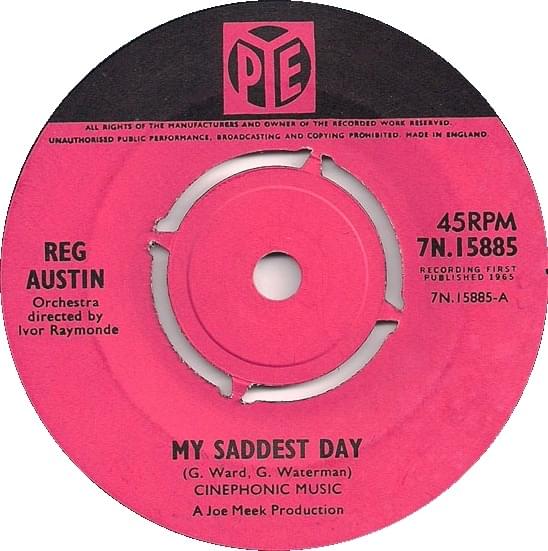
 View Artist