Song Meaning
The lyrics paint a picture of a desperate plea directed at "Ranger Jack," who has apparently taken the narrator's girlfriend. The opening lines establish a direct, almost childlike demand, setting a tone of raw, unvarnished longing. The narrator recalls a past idyllic state with his girlfriend, emphasizing a deep, unspoken connection and shared happiness, a stark contrast to his current desolation. This golden age was shattered by Ranger Jack's arrival, marking a clear turning point.
The central conflict arises from Ranger Jack's intrusion and subsequent actions. The narrator's memory of the girlfriend's gentle nature and their intimate nights is juxtaposed with the present reality of being alone and heartbroken. The lyrics suggest Ranger Jack didn't just take the girlfriend but also disrupted a perfect harmony, leaving the narrator to grapple with loss and betrayal. The repeated refrain of "Ranger Jack, Ranger Jack" underscores the narrator's fixation and desperation.
The narrative takes a surprising turn with the introduction of a barn scene, where the narrator addresses Ranger Jack directly, recalling a past interaction involving "lovely eyes" and "waving hips," and even a kiss. This suggests a complex, possibly homoerotic undertone or a history between the narrator and Ranger Jack that predates the girlfriend's departure. The subsequent mention of helping Ranger Jack in from the rain and drying his "shiny boots" further complicates their relationship, hinting at a past act of kindness or shared vulnerability that makes the current betrayal even more poignant.
The lyrics' effectiveness lies in their raw emotional honesty and the unexpected twists in the narrative. The shift from a simple plea to a complex interpersonal history creates a compelling sense of unresolved tension. The imagery of the "dung" and the "rusty fork" in the final verse highlights the narrator's degraded state, emphasizing how profoundly Ranger Jack's actions have impacted his life and his surroundings. The loss of the mule, taken to be ridden "night and day," serves as a final, bitter blow, symbolizing the complete usurpation of the narrator's life and happiness.
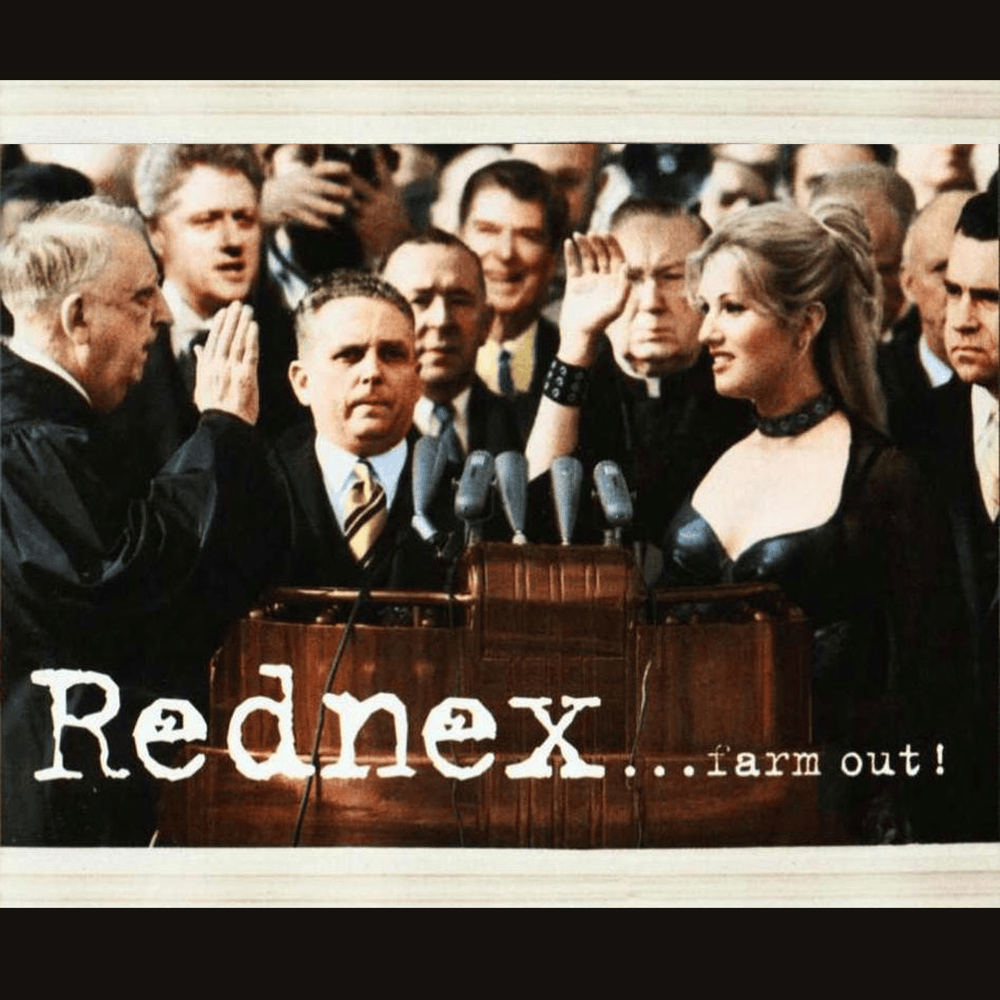
 View Artist