Song Meaning
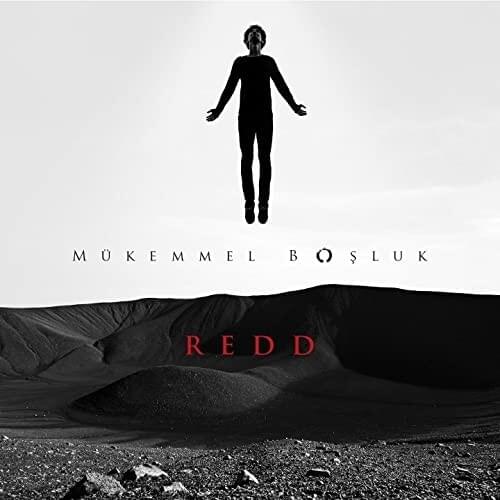
The lyrics paint a stark picture of profound emptiness and a lack of identity. The narrator begins by describing a state of silent void, feeling breathless and nameless, like a stillborn child. This sense of being insubstantial is juxtaposed with a fleeting image of color, like a butterfly, yet still fundamentally weak. This initial state sets a tone of deep isolation and a struggle for existence.
The core tension emerges from the repeated assertion of love despite this overwhelming desolation. The refrain, "Yine de sevdim, sevdim, sevdim" (Still I loved, loved, loved), acts as a defiant counterpoint to the narrator's perceived lack of self and their experiences of defeat in "kalpsiz savaşlarda" (heartless wars). This suggests a persistent, almost involuntary capacity for affection even when the self feels broken and unnamed.
The most striking shift occurs in the bridge and chorus, where the narrator claims the streets as their home and declares they are living only to die. This isn't a passive surrender but an active, albeit bleak, engagement with existence. The act of dancing in the streets ("dans ederim") becomes a strange form of life, a way to move through the void while simultaneously yearning for its cessation. The repetition of "ölmek için" (to die) and "bitsin diye" (so it ends) underscores a desperate desire for release from this painful state of being.
Ultimately, the effectiveness of these lyrics lies in their raw portrayal of existential struggle. The narrator's repeated declarations of love, their adoption of the streets as a home, and their paradoxical dance towards oblivion create a powerful, unsettling emotional landscape. The writing forces the listener to confront the resilience of the human spirit, even when that resilience is channeled into a desire for an end.
 View Artist