Song Meaning
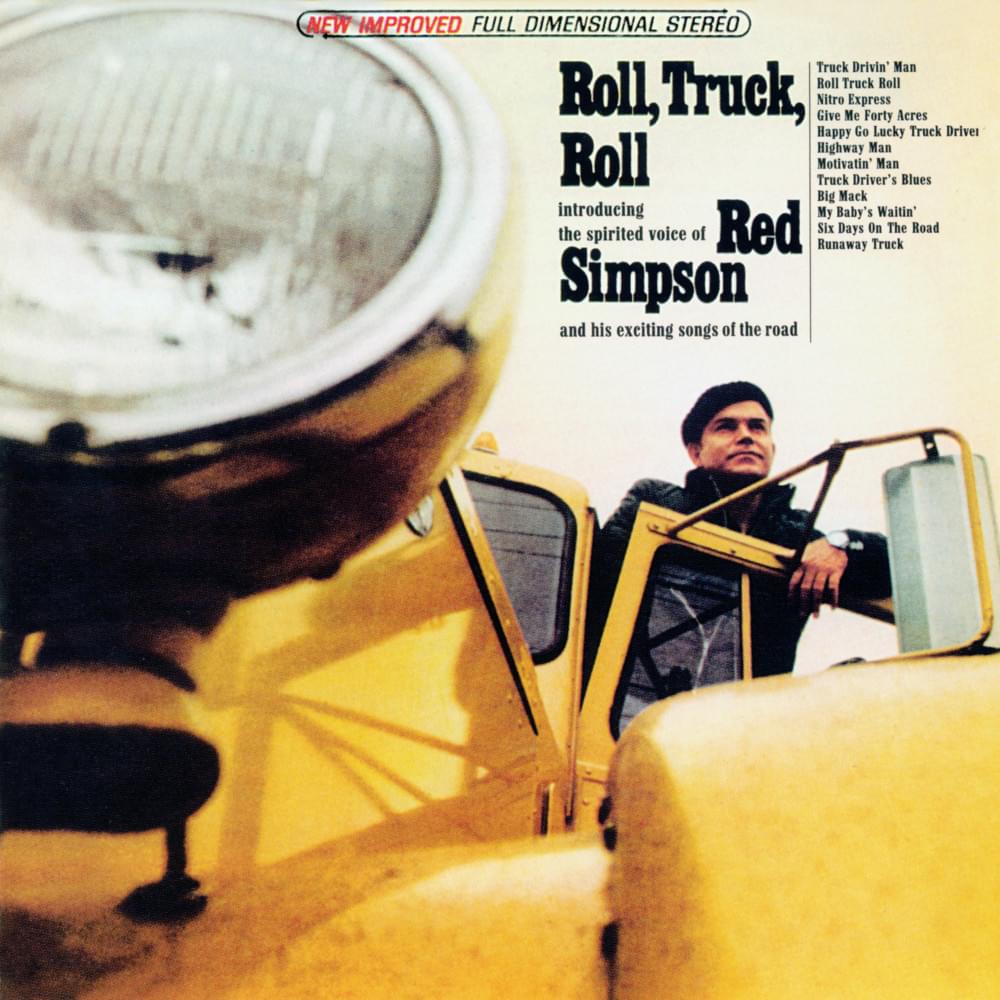
The narrator is on a journey, desperately trying to get back to their baby. The opening lines immediately establish a sense of urgency, with the repeated "waitin'" emphasizing the anticipation and the "running a way behind time" highlighting the stakes. The dominant tone is one of fervent longing, a palpable ache to be reunited with a loved one. The truck itself becomes a reluctant accomplice, its slow progress a source of frustration.
The central tension lies in the contrast between the narrator's intense desire and the physical reality of distance and slow travel. They express exhaustion with the journey itself, directly addressing the "old stirring wheel" as if it were a companion they've grown weary of. This personification of the inanimate object underscores the loneliness and the sheer duration of the trip, making the destination feel both vital and frustratingly distant.
The lyrics cleverly use repetition to amplify the emotional core. The phrase "waitin'" isn't just a statement of fact; it becomes a mantra of anticipation, echoing the baby's own state and the narrator's internal yearning. The repetition of "old stirring wheel I'm gettin' mighty tired just holding on to you" serves as a refrain of weariness, a moment of vulnerability amidst the determined push forward. It’s a subtle but effective way to show the toll the journey is taking.
Ultimately, the effectiveness of these lyrics stems from their directness and relatable portrayal of longing. The narrator isn't hiding their feelings; they're laid bare in simple, evocative language. The imagery of the "end of the line" and the "angel that's waitin' in home" paints a clear picture of devotion. The song captures that specific kind of impatience where every moment feels stretched, driven by the singular focus on reaching the person who matters most.
 View Artist