Song Meaning
The lyrics paint a picture of someone whose efforts and contributions are consistently overlooked, leading to a profound sense of frustration. The opening lines immediately establish this theme, with "Your contribution left unnoticed" setting a somber tone. The narrator feels like they are just showing up, with "credit time for showing up again," while attention drifts elsewhere. This sense of being invisible, despite presence and effort, creates a palpable undercurrent of weariness.
The central tension arises from the desire for recognition versus the reality of being ignored. The phrase "To die unsung would really bring you down" highlights the deep-seated human need for acknowledgment, even if the narrator claims "wet eyes would never suit you." This suggests a stoic facade that masks a genuine hurt. The repeated idea of being "unsung" underscores the core conflict: the persistent lack of validation despite a clear will to be heard and seen.
The craft here hinges on stark, almost blunt pronouncements that carry significant emotional weight. The contrast between the desire to avoid a cliché "archetypal suicide" and the more mundane, yet equally disheartening, prospect of dying "unsung" is striking. The narrator's decision, "I turned it off," after realizing "nothing is right," offers a moment of decisive, albeit bleak, agency. It’s a powerful image of disengagement born from repeated disappointment.
What makes these lyrics resonate is their unflinching portrayal of a specific kind of quiet despair. The writing avoids grandiosity, instead focusing on the everyday ache of being unseen. The narrator's internal monologue, particularly the thought that dying young is "far too boring," suggests a complex relationship with legacy and mortality, where even the dramatic end is less appealing than the persistent, unacknowledged struggle. The final lines, "Unsung once too often / Could not rub off," leave a lasting impression of indelible frustration.
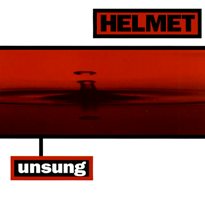
 View Artist