Song Meaning
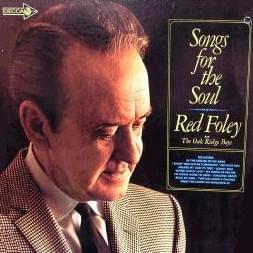
Red Foley's "Where Could I Go?" isn't just a gospel standard; it's a stark acknowledgment of human limitation. Stripped of elaborate theology, the song's power resides in its raw simplicity: a rhetorical question posed by a soul cornered by life's inescapable realities. The "old sinful world" isn't some abstract concept, but the very ground under the singer's feet, a place of hardship where comfort is a rare and expensive commodity. Temptation, presented as a constant, "sore" battle, leaves the speaker vulnerable and desperately seeking solace. The genius of the lyric lies in its implicit understanding that worldly solutions—wealth, power, pleasure—are ultimately inadequate in the face of existential angst. The refrain, "Where could I go? Oh where could I go?" echoes this sentiment, not as a triumphant declaration of faith, but as a weary admission of a lack of viable alternatives. It's the sound of a person recognizing their own profound need.
The second verse offers a brief respite, acknowledging the "grand" aspects of life: friendship and the comfort derived from "God's own Word." Yet, this momentary gratitude is immediately overshadowed by the looming specter of mortality: "the chilling hand of death." This juxtaposition is key to understanding the song's meaning. It doesn't deny the goodness in life, but it unflinchingly confronts the limitations of earthly joy. The question, "Where could I go but to the Lord?" isn't an answer so much as a surrender. It's the recognition that in the face of death, all earthly anchors give way. The song's enduring appeal lies in its honest portrayal of faith, not as blind optimism, but as the last refuge of a soul grappling with the hard truths of existence.
Ultimately, the song meaning of "Where Could I Go?" boils down to the psychology of dependency and the search for ultimate security. The lyrics tap into a deep-seated human need for something beyond the self, a higher power to lean on when personal resources are depleted. Foley’s rendition, with its straightforward delivery, underscores this vulnerability, transforming a theological statement into a deeply personal plea. It’s a song for those moments when the weight of the world feels unbearable, when the familiar comforts fade, and the only question left is: where else is there to turn?