Song Meaning
The lyrics paint a picture of someone utterly consumed by love, to the point of losing themselves. The opening lines, "Lost, lost / Counting the moments that never stop / Trapped in a dream," immediately establish a sense of disorientation and timelessness, suggesting a love that feels all-encompassing and inescapable. This feeling intensifies as the narrator admits, "I'm more in love with your every thought / But I have no reprieve," highlighting a dependency that offers no relief.
The central tension lies in the narrator's transformation and loss of self due to this powerful affection. They describe themselves as "just a figure / Of the woman I used to be," a stark contrast that emphasizes how love has reshaped their identity. The heart, too, is depicted as a "prisoner," caught in a narrative that feels isolating and undefined. This suggests a love that, while perhaps intoxicating, has also become a cage, diminishing the individual.
The repeated invocation of "el amor" acts as both an anchor and an obsession, a constant reminder of the force at play. The Spanish phrases, "Que triste es el amor / Que bonito es el amor," introduce a duality, acknowledging the pain and beauty inherent in this overwhelming emotion. This contrast between the joy and sorrow of love is further underscored by the imagery of a "dangerously sweet embrace" and a memory that "lingers / Behind every unopened door," implying a presence that is both alluring and haunting.
Ultimately, the lyrics resonate because they capture the disorienting, all-consuming nature of deep affection. The narrator's struggle to reconcile their former self with their present state, coupled with the bittersweet acknowledgment of love's dual nature, creates a raw and relatable portrait of emotional surrender. The craft lies in the stark imagery of diminishment and imprisonment, contrasted with the persistent, almost hypnotic repetition of "el amor."
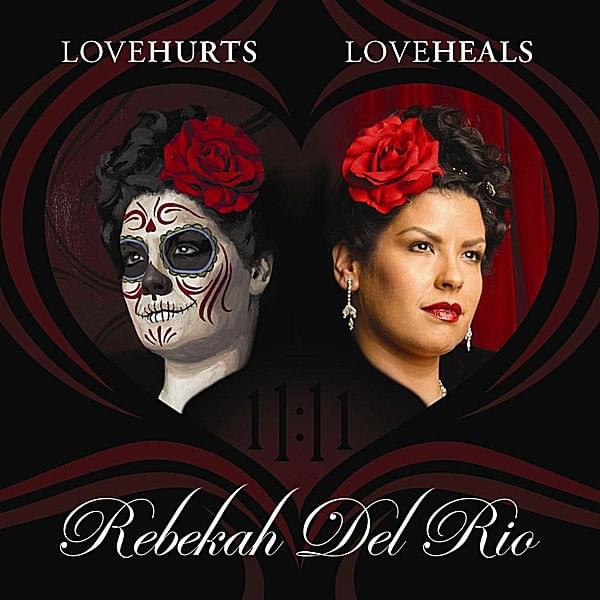
 View Artist