Song Meaning
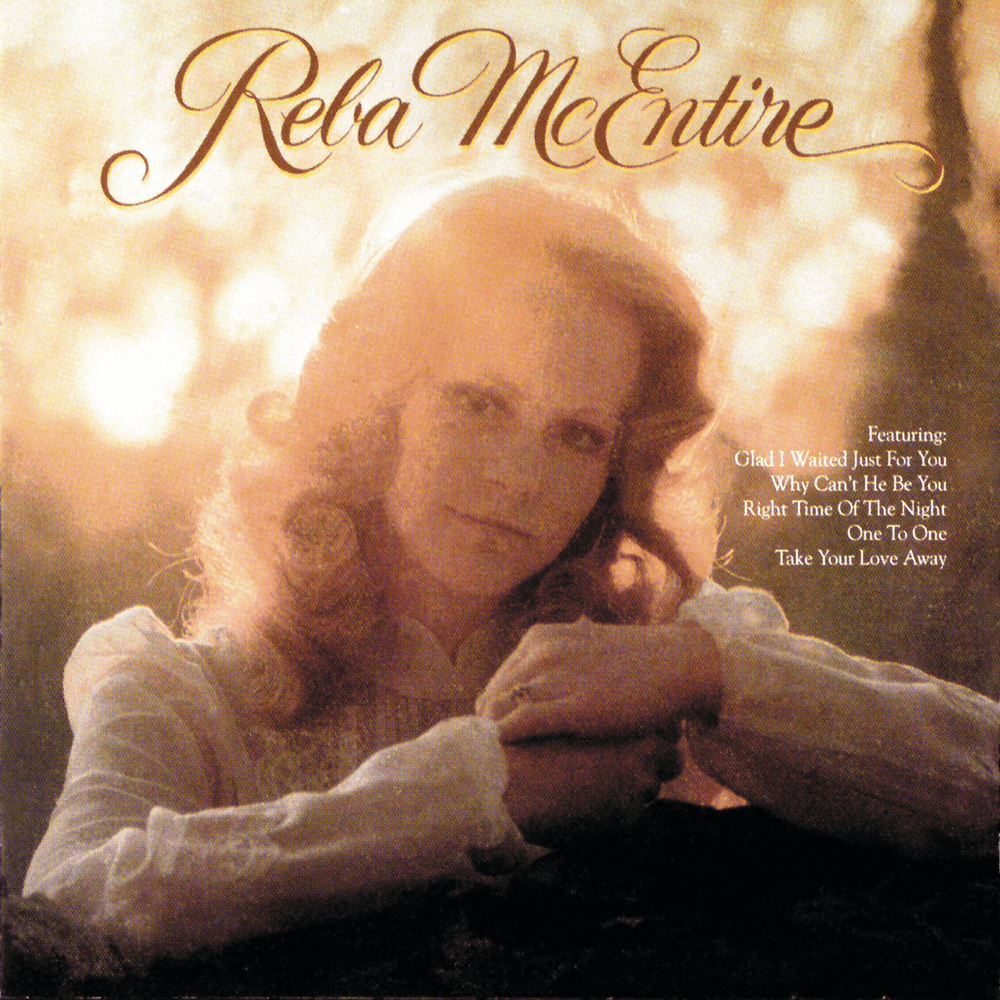
{"song_id": 10212883, "meaning": "Reba McEntire's \"I've Waited All My Life for You\" isn't just a love song; it's a potent distillation of romantic idealism, the kind that simmers in the cultural consciousness from childhood fairy tales. The lyrics trade in absolutes, a world where 'true love comes only once' and the singer declares, 'this time is the last time for me.' This isn't the language of tentative affection, but of someone who has constructed an entire identity around the anticipation of a singular, destined connection. The song's emotional core lies in the concept of deferred gratification. The narrator has 'saved' their love, untouched and pristine, suggesting a deliberate act of preservation against the messy realities of relationships.
The psychological underpinnings of \"I've Waited All My Life for You\" reveal a fascinating tension between hope and vulnerability. While the lyrics exude unwavering conviction, the very act of waiting implies a deep-seated fear of missing out, of love passing by unnoticed. The repeated line, 'I just cannot imagine being in love with someone new,' hints at a rigid emotional structure, a refusal to consider alternative possibilities. It speaks to a personality that finds comfort in the familiar narrative of soulmates and preordained destiny. McEntire’s delivery, known for its emotional sincerity, amplifies the sense of longing and the almost childlike faith in the power of true love.
Ultimately, the song meaning resides in its portrayal of unwavering hope and the power of romantic expectation. It resonates because it taps into our collective desire for a love that transcends the ordinary, a connection that feels both inevitable and miraculous. Whether one interprets this as a celebration of enduring faith or a cautionary tale about the dangers of unrealistic expectations, \"I've Waited All My Life for You\" offers a compelling glimpse into the human heart's capacity for both profound love and the vulnerability that accompanies it. It’s a testament to the enduring power of the belief in 'the one,' even in a world that often challenges such idealized notions."}
 View Artist