Song Meaning
The lyrics paint a stark picture of a world under siege, where an unnamed 'they' are actively destroying it, leading to a fiery, hellish consequence for the perpetrators. The opening lines establish a sense of ownership and betrayal: 'This is our world but they destroy it.' This immediate declaration sets a tone of urgent grievance and impending doom, amplified by the relentless repetition of the phrase and the chilling prophecy that 'they'll watch it burn in hell.' The narrator asserts a defiant ownership, emphasizing that the current moment and the potential for change belong to 'us.'
The central tension arises from the contrast between the destructive actions of 'they' and the potential for 'us' to reclaim and redefine the future. The lyrics shift from passive observation of destruction to an active call for agency. The simple, almost childlike counting rhyme sequence ('One two buckle my shoe...') is jarringly juxtaposed with the dire pronouncements, suggesting a loss of innocence or a desperate attempt to impose order on chaos. This childlike structure, however, quickly gives way to a more mature, urgent plea: 'Seven eight then it's to late.'
The most striking element is the cyclical nature of destruction and consequence. The lyrics repeatedly state that 'they burn it so they burn in Hell,' creating a direct, almost karmic link between the act of destruction and the punishment. The phrase 'Watch the clock you watch it tic you watch it toc' underscores the finite nature of time, urging listeners to recognize that the world is not a possession to be claimed by any single party ('it's not yours it's not mine'). This realization is presented as the catalyst for action, a necessary step before the dream of a 'brand new day' can be realized.
Ultimately, the effectiveness of these lyrics lies in their direct, unvarnished language and their urgent, almost primal rhythm. The repetition isn't just for emphasis; it builds a sense of inescapable dread and a desperate, rallying cry. The shift from blaming 'them' to recognizing that 'we destroy it we need to save ourselves' is a powerful, albeit bleak, pivot towards self-preservation. The final, desperate question, 'Can't you see that this is our world,' serves as a final, urgent appeal to shared reality and responsibility.
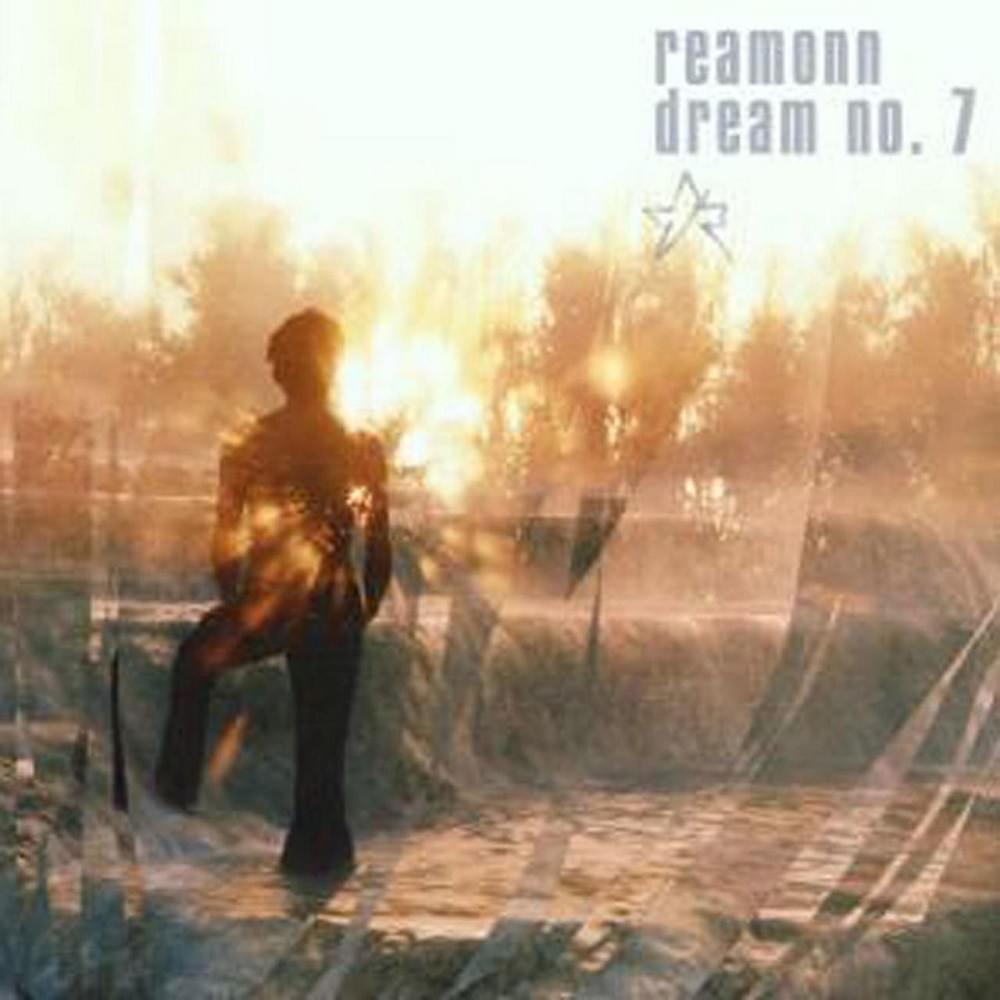
 View Artist