Song Meaning
The lyrics paint a stark picture of profound emotional exhaustion and alienation. The narrator grapples with feelings of abandonment and questions the lack of remorse from others, wondering if they are simply disposable. This initial despair is amplified by a general dislike for everything, including colors and unpleasant memories, creating a heavy, suffocating atmosphere. The repeated phrase "僕覚えてる" (I remember) hints at a persistent internal struggle, a refusal to let go of past hurts despite the desire for oblivion.
This leads to a central tension: the overwhelming desire to escape the burden of existence versus the inability to fully disconnect. The narrator expresses a weariness with life and humanity, feeling misunderstood and isolated. The plea "本当の私を知ってるかな" (Do you know the real me?) underscores a deep yearning for connection, even as the overwhelming feeling is that nothing can fix this internal void. The repeated desire to be "空に成りたい" (want to become empty) and have "何もいらない" (nothing needed) in their head highlights the extreme mental fatigue.
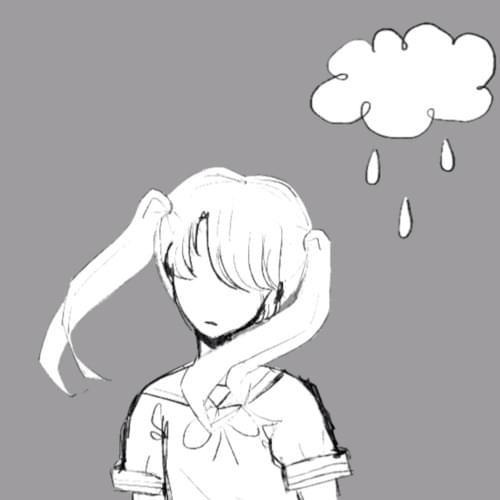
The most striking aspect is the narrator's internal conflict, particularly in the bridge. The distinction between "僕" (boku - masculine 'I') and "自分" (jibun - self) suggests a fractured sense of identity, where the external persona and the internal experience are at odds. The contrast between "彼の晴れ、僕の曇り" (his clear skies, my clouds) powerfully illustrates this disconnect from others' perceived happiness. The initial desire to discard emotions ("エモーションを捨てる" - throw away emotions) is a desperate attempt to cope, but the lyrics ultimately reveal a complex internal landscape where true emptiness isn't the goal.
The shift in the final pre-chorus and chorus is crucial. The narrator moves from wanting to be empty to realizing they don't want to be empty ("私の中空にしたくない" - I don't want my inside to be empty). They acknowledge having "言いたいことばは私にいっぱい" (so many words I want to say). Despite the difficulty and the ongoing confusion about their own meaning, there's a newfound resolve to "生きていく" (live on) and "続けていく" (continue). This transformation from wanting to discard emotions to embracing the struggle and continuing to live is what makes the lyrics resonate.