Song Meaning
The lyrics paint a picture of a complex, almost transactional relationship where one person projects intense desires and perceived power onto the other. The narrator is described with a barrage of conflicting roles: the object of lust and the one to be pleased, yet also the one to be beaten and shyly trusted. This duality suggests a dynamic where the narrator is simultaneously idealized and feared, a figure who inspires both devotion and apprehension. The repeated assertion, "You say that I," establishes that these are the other person's perceptions, not necessarily the narrator's self-identity.
The central tension lies in the narrator's questioning of their own role in this dynamic, specifically asking, "Am I to blame?" The lyrics suggest the narrator is seen as a catalyst for extreme behavior and hidden desires in the other person. They are accused of bringing out a primal, almost performative sexuality – the "beast within," the "porn star deep inside," the "stripper, pimp, ho, slut." This framing positions the narrator as an external force that unlocks or unleashes these aspects, rather than them being inherent to the other person.
The most striking craft element is the relentless cataloging of extreme roles and actions attributed to the narrator by the other person. Phrases like "Get down on your knees," "You beg and you crawl," and "Transform the meek to sensual slaves" create a vivid, almost theatrical scene of submission and control. The narrator is simultaneously the "prince of thieves" and the "master," a figure who casts a "spell" and makes others "quiver." This hyperbolic language underscores the intensity of the other person's fixation and their perceived lack of agency.
Ultimately, the lyrics are effective because they capture a specific, unsettling psychological space. The narrator's repeated question, "Am I to blame?" coupled with the other person's extreme projections, creates a sense of unease and ambiguity. It highlights how one person's desires can be so overwhelming that they are projected onto another, blurring the lines of responsibility and agency within the relationship. The final lines, "And I crawl away / As I fall (for you) / Are you one to blame for this," flip the question, suggesting a mutual entanglement and a shared, albeit differently expressed, vulnerability.
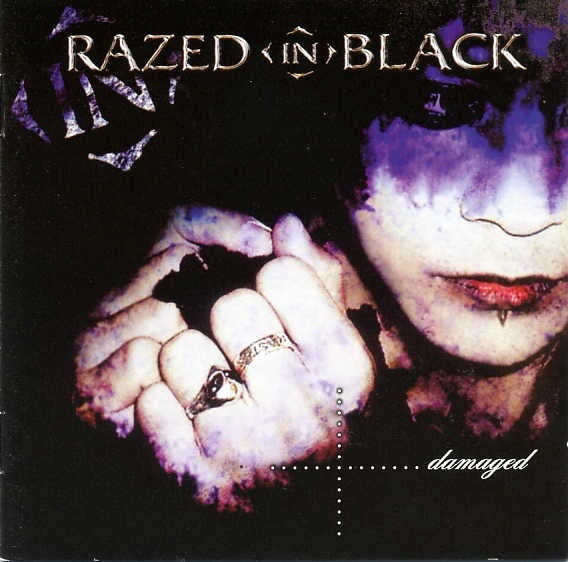
 View Artist