Song Meaning
The lyrics open with a jarring "Goeiemorgen ouwe rotkop" – a "good morning, old grump face" – immediately setting a tone that's both confrontational and oddly intimate. It's a direct address, urging the listener to "slide that mirror aside" and give "the present a kick." This isn't about gentle awakening; it's a forceful push to abandon vanity and face the day head-on, suggesting a weariness with self-absorption.
The central tension arises from the contrast between this gruff dismissal of the past and the gentle, almost poetic observations that follow. While the initial lines demand a rejection of "vanity," the narrator then points to "little birds whistling" for "both of us," asking if the listener can "hear what they're singing: You are free." This juxtaposition creates a powerful emotional pull, moving from self-imposed restriction to a sudden, almost spiritual liberation offered by the natural world.
What's particularly striking is the shift in perspective and the introduction of external scenes that serve as prompts for internal reflection. A "woman strolls coquettishly" and "children can come and go," mundane yet significant details that seem to lead to a moment of profound, almost melancholic realization: "It is the time to be very sentimental / To cry at the full moon." This isn't a simple happy-go-lucky morning; it's a complex invitation to embrace both freedom and the poignant beauty of existence, even its more somber aspects.
The repeated "Goeiemorgen ouwe rotkop" acts as an anchor, but the subsequent lines offer a profound reinterpretation of its meaning. By the end, the call to "slide the world aside" and "learn the song of finality" is framed not as despair, but as a path to "good morning without worries." The lyrics suggest that true freedom comes from accepting impermanence and finding peace in the present, a hard-won serenity born from confronting the "old grump face" and the vastness of existence.
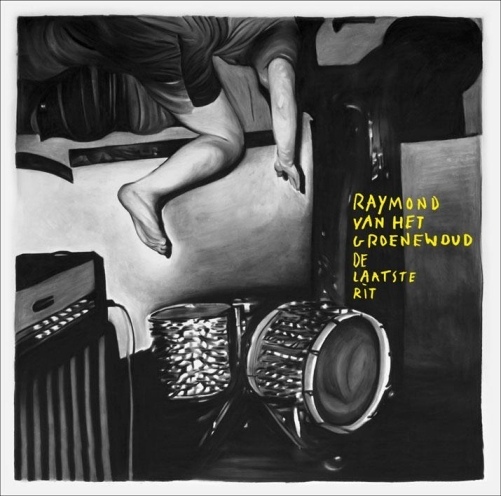
 View Artist