Song Meaning
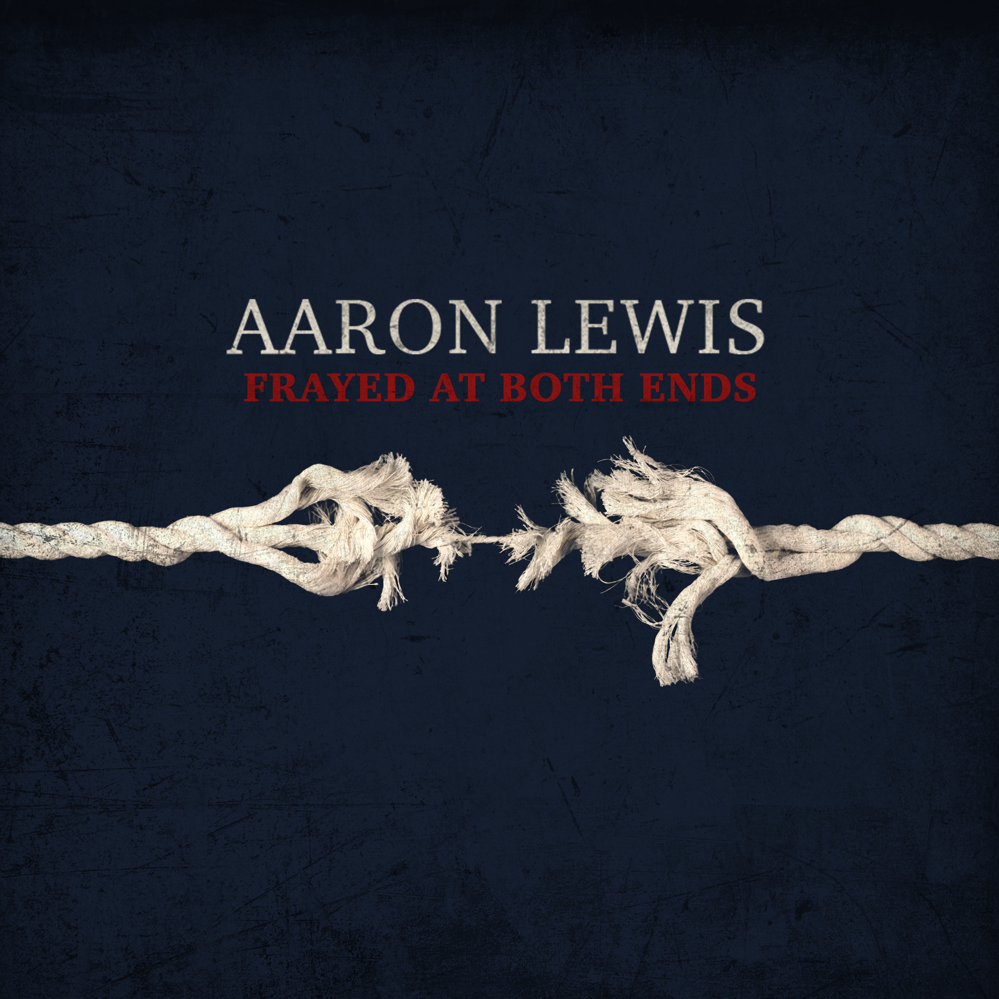
The lyrics paint a picture of intense self-recrimination and a desperate plea for release, even if that release is destructive. The narrator oscillates between wanting to be saved and wanting to be broken, caught in a cycle of self-sabotage. Phrases like "Undo the knots that I'm in" and "Undo the costs of my sins" suggest a deep-seated desire for absolution, yet this is immediately undercut by the contradictory "Lift me up just to break me." This push and pull creates an immediate sense of internal conflict.
The central tension lies in the narrator's acknowledgment of their own culpability in their suffering and the haunting presence of another person in their dreams. The lines "It's all because of me / That you haunt me in my dreams" are particularly striking, suggesting that the narrator's internal turmoil is projected onto a relationship, causing them to believe they are the source of another's distress and their own subsequent torment. This self-blame is a recurring motif, amplified by the repetition of "Again and again."
The most compelling aspect of the craft is the paradoxical imagery used to express this internal state. The narrator asks to be "Pull[ed] under to save me," a clear contradiction that highlights their desperation for an end to their current suffering, even if it means succumbing to it. Similarly, the desire to be "Lift[ed] up just to break me" underscores a profound self-destructive impulse masked as a plea for help. The pre-chorus, "This life is but a dream / Not always what it seems," further blurs the lines between reality and the narrator's internal, perhaps distorted, perception of it.
Ultimately, the effectiveness of these lyrics stems from their raw portrayal of a mind trapped in a loop of guilt and despair. The narrator doesn't shy away from their perceived flaws, instead weaponizing them as the very reason for their downfall. The repeated pleas, especially the stark "Save yourself / I'm the one who / Needs the help," are not just cries for assistance but an admission of being beyond saving, a profound and unsettling conclusion drawn from within.
 View Artist