Song Meaning
Ray Price's "Walk Me to the Door" isn't just a farewell; it's a study in melancholic resignation. The song meaning lies in its stark portrayal of a love dissolving, not with a bang, but with the quiet acceptance of autumn's arrival. Price embodies a narrator acutely aware of his partner's detachment. There's a profound sadness in the lines acknowledging her weariness and the unreciprocated nature of his affection, setting a stage for a breakup steeped in regret and unspoken words. The phrase "I know you're tired of being all I ever wanted" carries the weight of shattered expectations and a painful self-awareness. This isn't a fight for love, but a surrender to its inevitable end.
The genius of "Walk Me to the Door" resides in its restraint. The narrator's repeated vow, "I won't mention it again," becomes a poignant mantra of denial. It's a fragile shield against the pain of reality, a desperate attempt to savor the present moment before the inevitable goodbye. He's bargaining with himself, choosing to focus on the immediate act of expressing his love one last time, rather than dwelling on the bleak future. The lyrics, "Just let it happen, live each hour day by day," speak to the temporary nature of this self-imposed ignorance, highlighting the speaker's need to get through the process moment by moment.
The imagery of autumn in the second verse reinforces the theme of decay and loss. "I feel my life has reached an early sign of autumn/ In my heart the leaves are falling, love is cold" paints a vivid picture of emotional desolation. The warmth of the past is gone, replaced by a "hunger in my soul." This hunger isn't for reconciliation, but for the memory of what once was, a ghost of a love that can never be fully satisfied. Price masterfully captures the bittersweet essence of a relationship's final moments, where love lingers even as it fades, leaving behind a profound sense of emptiness and unspoken longing.
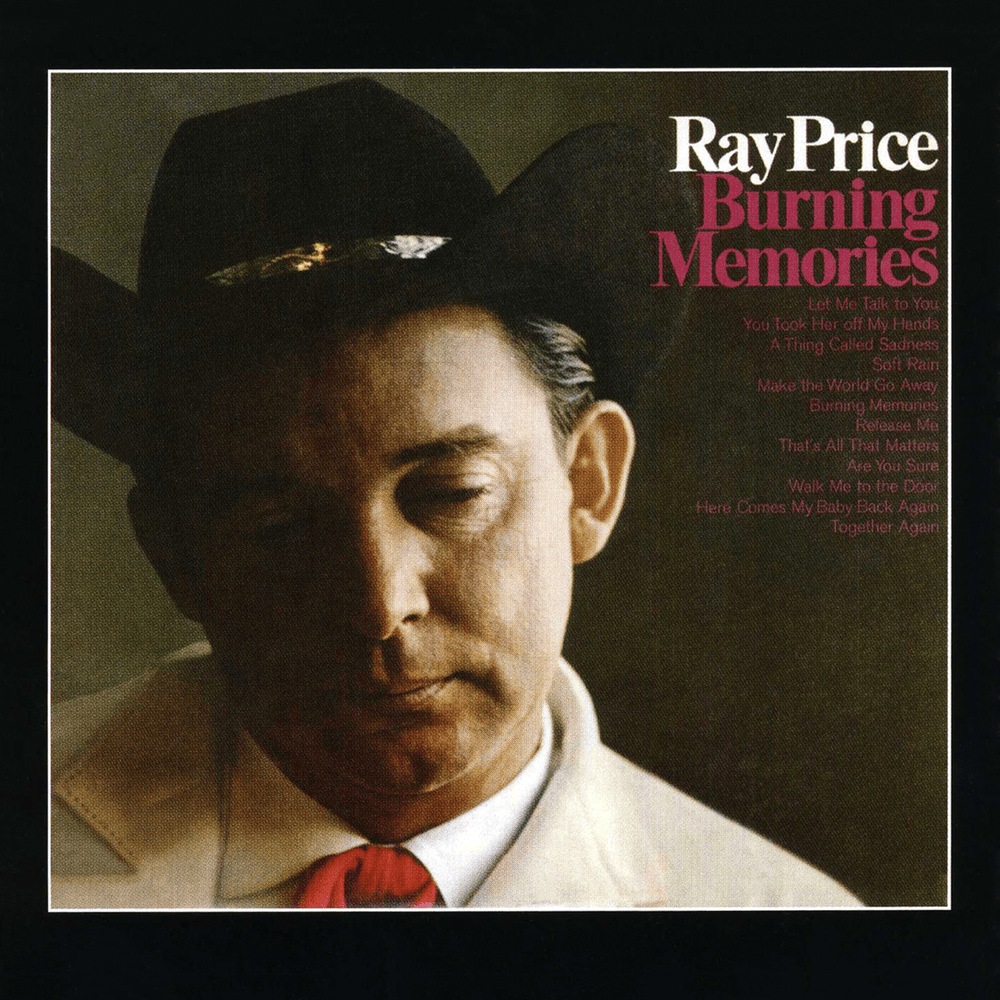
 View Artist