Song Meaning
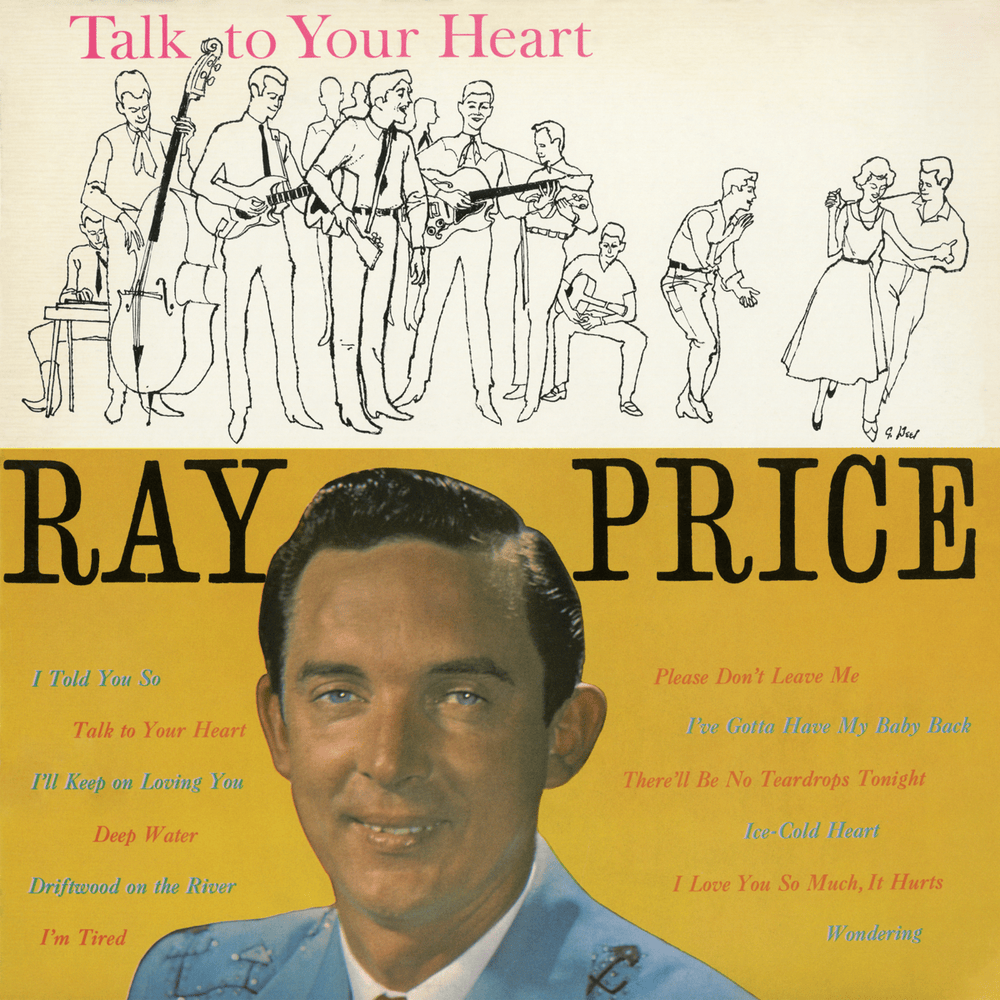
Ray Price's "There'll Be No Teardrops Tonight" is a masterclass in country stoicism, a stiff-upper-lip response to heartbreak that simmers with barely suppressed rage and despair. It's not just sadness; it's a performance of strength in the face of utter devastation, a denial so potent it borders on the theatrical. The lyrics paint a picture of a man betrayed on the eve of his beloved's wedding, clinging to threads of delusion as his world crumbles. The repeated line, "there'll be no teardrops tonight," acts as both a vow and a fragile shield against the overwhelming pain. It's a paradox, because the very act of proclaiming the absence of tears highlights the immensity of the sorrow threatening to drown him.
The song's potency lies in the contrast between the outward composure and the inward turmoil. Price isn't just singing about heartbreak; he's dissecting the psychological mechanisms we employ to survive unbearable emotional trauma. The lines "I'll pretend I'm free from sorrow, Make believe that wrong is right" expose the active role he's taking in constructing a false reality. He's not simply coping; he's actively rewriting the narrative, attempting to bend the truth to fit his shattered expectations. The accusatory tone in lines like "Why, oh why, should you desert me, Are you doing this for spite" reveals the bitterness and resentment that lie beneath the veneer of control. It's a passive-aggressive jab, a last-ditch effort to inflict guilt and reclaim some semblance of power.
Ultimately, "There'll Be No Teardrops Tonight" is a poignant exploration of pride, vulnerability, and the desperate measures we take to protect ourselves from emotional annihilation. The repeated insistence on tearlessness becomes increasingly unsettling, a sign of a man teetering on the edge of a breakdown. It's a stark reminder that sometimes, the most profound grief is the grief we refuse to acknowledge, the pain we bury so deep that it threatens to consume us from within. Price's rendition transforms a simple country ballad into a complex study of the human psyche under duress, a testament to the enduring power of denial in the face of unbearable loss.
 View Artist