Song Meaning
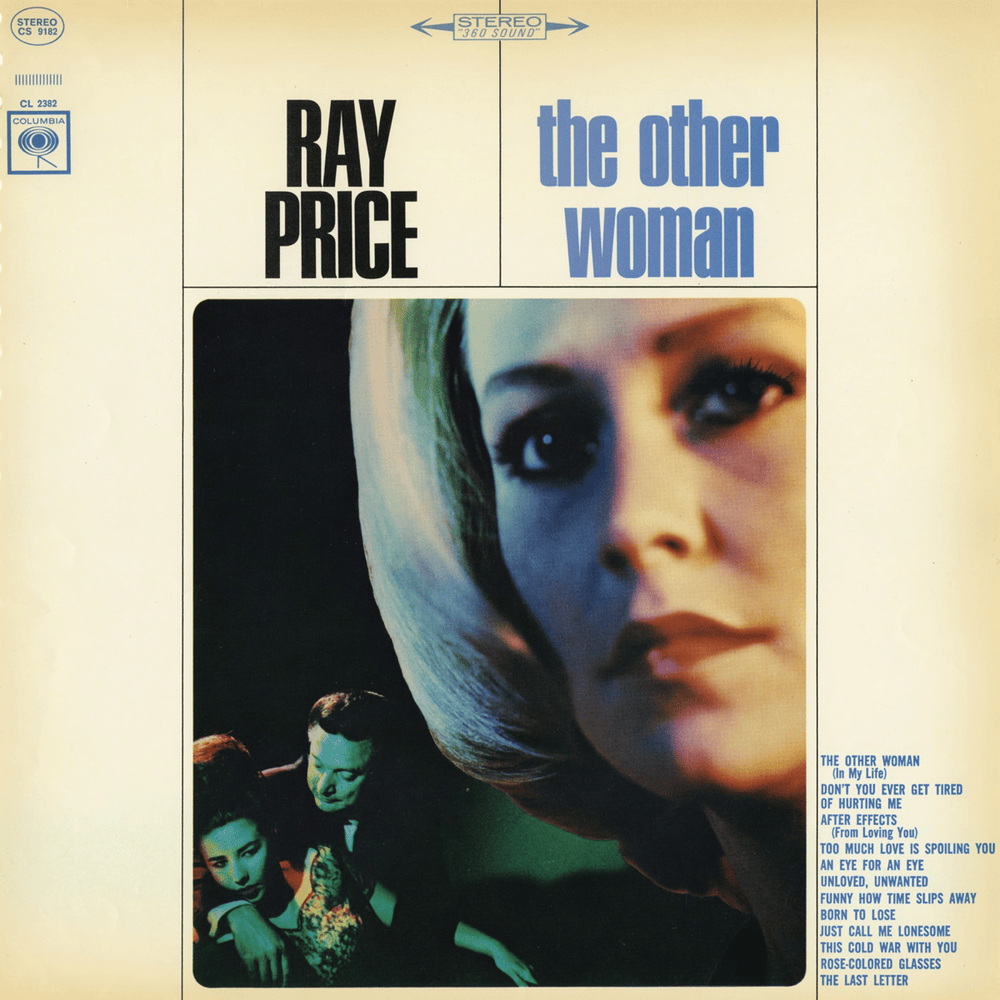
Ray Price's "The Last Letter" isn't just a countrypolitan lament; it's a masterclass in wounded pride disguised as selfless devotion. The opening lines immediately establish a chasm of emotional distance, a bewilderment at a lover's sudden chilliness. He's not wallowing, though—he's probing, questioning the root of her detachment. The genius here is how Price subtly shifts the blame, implying her dissatisfaction is both unfounded and vaguely cruel. There's a passive-aggressive sting in wondering if she'll *ever* be content, a veiled accusation that her unhappiness is a character flaw, not a response to his failings. He’s preemptively casting himself as the wronged party, a classic manipulation.
The song's middle verses pivot to a self-deprecating acknowledgement of his material limitations: no diamonds, no mansions. But even this apparent humility is weaponized. He reframes his lack of wealth as a virtue, contrasting it with the potential 'heartaches' and 'teardrops' she'll supposedly endure chasing superficial desires with someone else. It's a gamble, banking on her eventual disillusionment and a nostalgic return to his 'authentic' love. The steel guitar weeps, amplifying the inherent melodrama of the situation, but the lyrics themselves maintain a controlled, almost clinical detachment.
The final verse delivers the crushing blow. The plea for her to remember the letter in her future loneliness is laced with a bitter ultimatum. The confession—'If you don't love me I wish you would leave me alone'—isn't an act of liberation; it's the ultimate control play. He's drawing a line in the sand, forcing her to either fully commit or forever absolve him of responsibility for her future unhappiness. "The Last Letter's" song meaning, therefore, isn't simply about unrequited love; it's a study in the complex power dynamics of relationships, the subtle ways we manipulate each other with vulnerability and the enduring human need to be seen as the 'good guy,' even in heartbreak.
 View Artist