Song Meaning
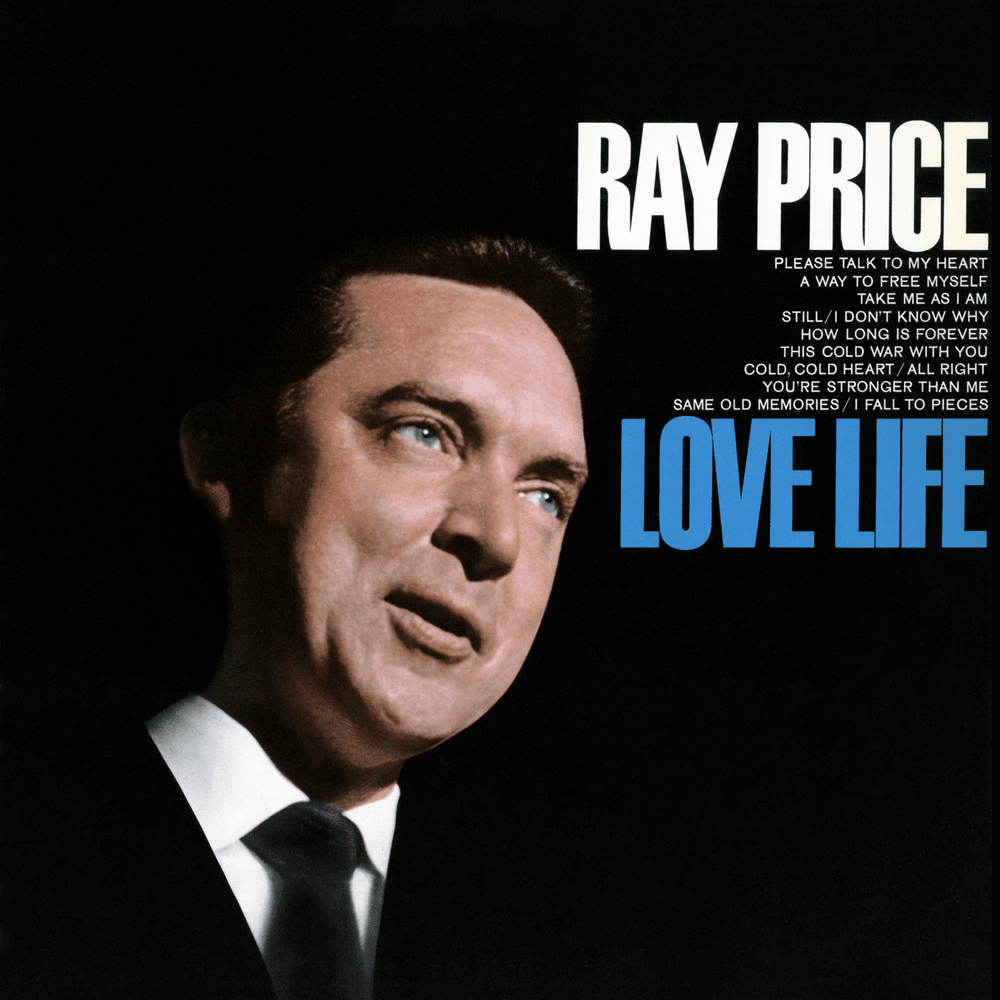
Ray Price's "Still" is less a song than an open wound, a raw testament to love's enduring, almost pathological grip. The simplicity of the lyrics belies the complexity of the emotion they convey. It's not just about heartbreak; it's about the stubborn refusal to let go, the mind's cruel insistence on replaying a lost connection. The repetition of "Still...I love you" becomes a mantra, a desperate attempt to both acknowledge the pain and simultaneously negate it. It speaks to the core human struggle between reason and emotion, where the heart clings to a ghost long after the mind knows it should move on. The singer is trapped in a loop, haunted by a past that refuses to stay buried. This song meaning is about the aftermath of a love that has ended, but the feelings haven't. It's about the paralysis that sets in when grief becomes a constant companion.
The lyrics analysis reveals a portrait of someone adrift in time, as lines such as "I've lost count of the hours and I've lost track of the time" emphasize the disorienting effect of heartbreak. The loss of material possessions pales in comparison to the near-loss of sanity, suggesting that the emotional devastation is so profound it threatens the singer's very being. The acoustic guitar solo acts as a brief respite, a moment of instrumental reflection before the singer plunges back into the cycle of longing and lament. This isn't a grand, operatic declaration of love; it's a quiet, persistent ache, a whisper that refuses to be silenced.
"Still" resonates because it taps into a universal experience: the lingering echo of a love that once was. It's a song for those who understand that heartbreak isn't a linear process, but a messy, cyclical journey. The song meaning lies not in its complexity, but in its stark honesty. It doesn't offer easy answers or tidy resolutions. Instead, it simply acknowledges the enduring power of love, even in its absence, and the way it can continue to shape our lives long after the relationship has ended. It is a timeless exploration of the human heart's capacity for both profound joy and equally profound sorrow, forever caught between memory and the elusive promise of moving on.
 View Artist