Song Meaning
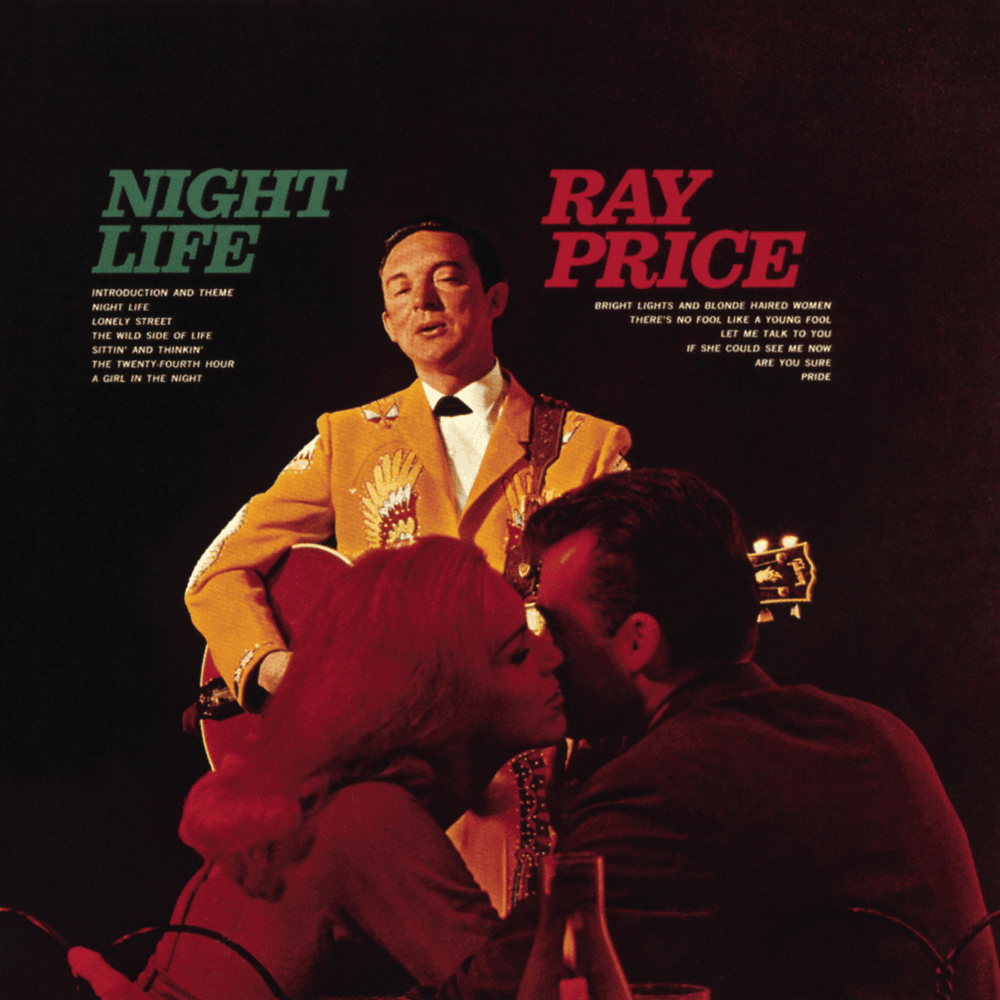
Ray Price's "Sittin' and Thinkin'" isn't just a country lament; it's a raw, unflinching self-indictment delivered with a weary sigh. The song meaning pivots on the destructive cycle of addiction and regret, where the solace of the bottle inevitably leads to alienation and heartbreak. The protagonist isn't seeking sympathy; he's laying bare the consequences of his actions, acknowledging the pain he inflicts on himself and, more importantly, on the woman he loves. The stark simplicity of the lyrics—gin-fueled fights, estrangement from his 'best girl friend'—paints a picture of self-imposed isolation. The repeated line, 'when I'm drinkin' I am nobody's friend,' isn't a boast; it's a confession of the ugliness he unleashes when under the influence. He's acutely aware of his transformation into someone unrecognizable, someone incapable of maintaining meaningful connection. His plea, 'Please baby wait for me until they let me out again,' reveals a glimmer of hope amidst the wreckage, a desperate yearning for redemption. However, this hope is tempered by the brutal honesty of 'I won't promise that it won't happen again,' suggesting a deep-seated awareness of his own fallibility.
The song's emotional core resides in the tension between remorse and resignation. The phrase 'Sittin' and just thinkin' bout you' encapsulates the paralysis of regret. He understands that his 'sittin' and drinkin'' directly sabotages his chance at happiness, yet he seems trapped in a loop of self-destructive behavior. This isn't a tale of external forces driving him to drink; it's an internal battle with his own demons. The beauty of Price's delivery lies in its restraint. There's no histrionics, no exaggerated melodrama. It's a quiet devastation, a man grappling with the knowledge that he is the architect of his own misery.
Ultimately, "Sittin' and Thinkin'" transcends the traditional country trope of the heartbroken drunk. It's a psychological portrait of addiction, co-dependence, and the agonizing awareness of one's own self-destructive tendencies. The song resonates because it acknowledges the messy, imperfect nature of human behavior, the capacity for both love and destruction within a single person. It's a stark reminder that sometimes the greatest battles are fought not against external forces, but against the darkness within ourselves.
 View Artist