Song Meaning
Ray Price's "No More Songs to Sing" isn't a lament, but a promise whispered across time. It's a masterful meditation on the twilight of a career, not as a defeat, but as a liberation into deeper love. The song meaning hinges on the potent exchange: the artist's voice, once a public instrument, will quiet, only to amplify the private symphony of devotion. The lyrics suggest that the demanding mistress of music has kept him from a love he now intends to fully embrace. The 'old strings' and absence of 'words to rhyme' are not failures, but necessary conditions for a more profound connection. It's about trading performance for presence.
Price paints a picture of a future unbound by the relentless pace of artistic life. "The world won't turn so fast," he croons, envisioning a deliberate slowing, a savoring of moments long sacrificed at the altar of his craft. There’s a palpable longing for the simple intimacies – holding hands, whispering names – actions made precious by their prolonged absence. The repeated phrase "When I've no more songs to sing" acts as both a conditional statement and an aspirational goal. It's a future he's actively willing into existence.
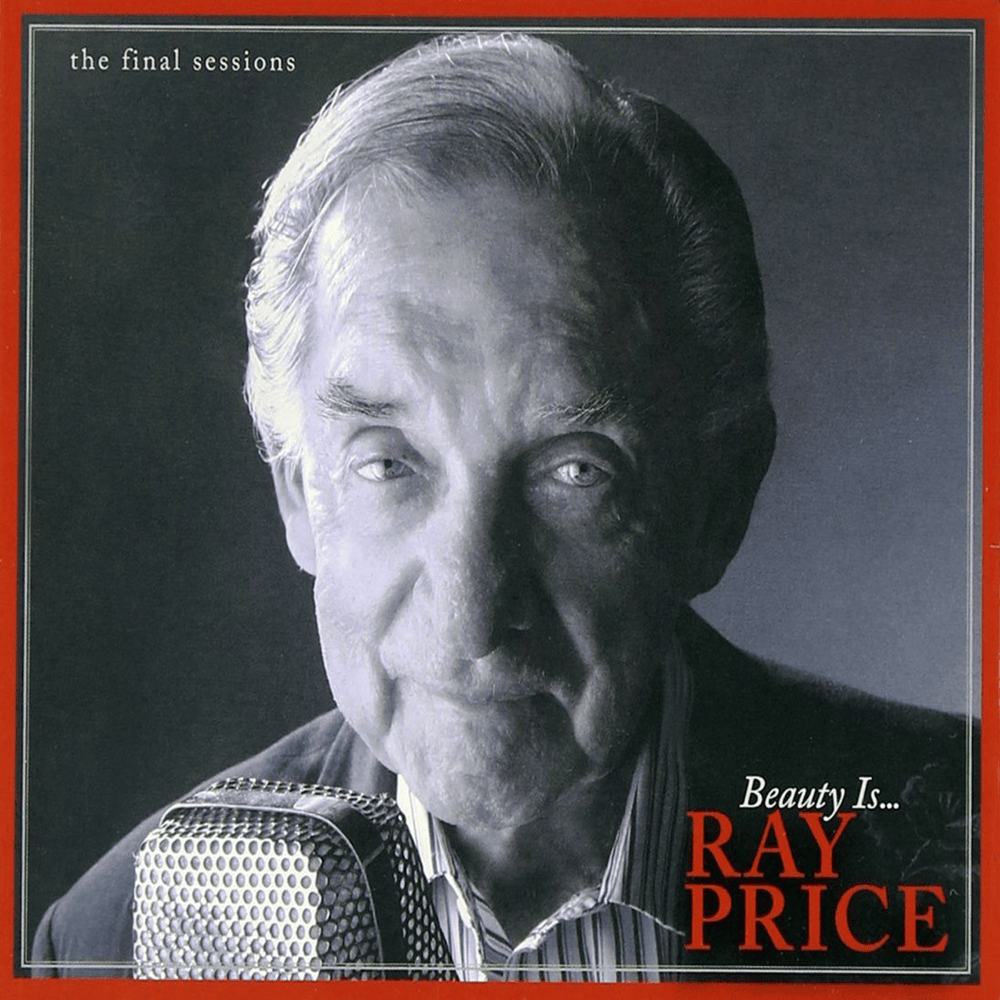
Ultimately, "No More Songs to Sing" is a testament to enduring love. The woman in the song isn’t a muse, but a partner, "the answer to my every prayer." She is the constant through "laughter and the tears," the bedrock upon which he intends to build a quieter, more meaningful existence. The song suggests that while artistic expression may wane, the capacity for love – for truly *living* – only deepens with time. It’s a mature, affecting perspective, characteristic of Price's later work, and it offers a touching glimpse into the trade-offs inherent in a life dedicated to art.
 View Artist