Song Meaning
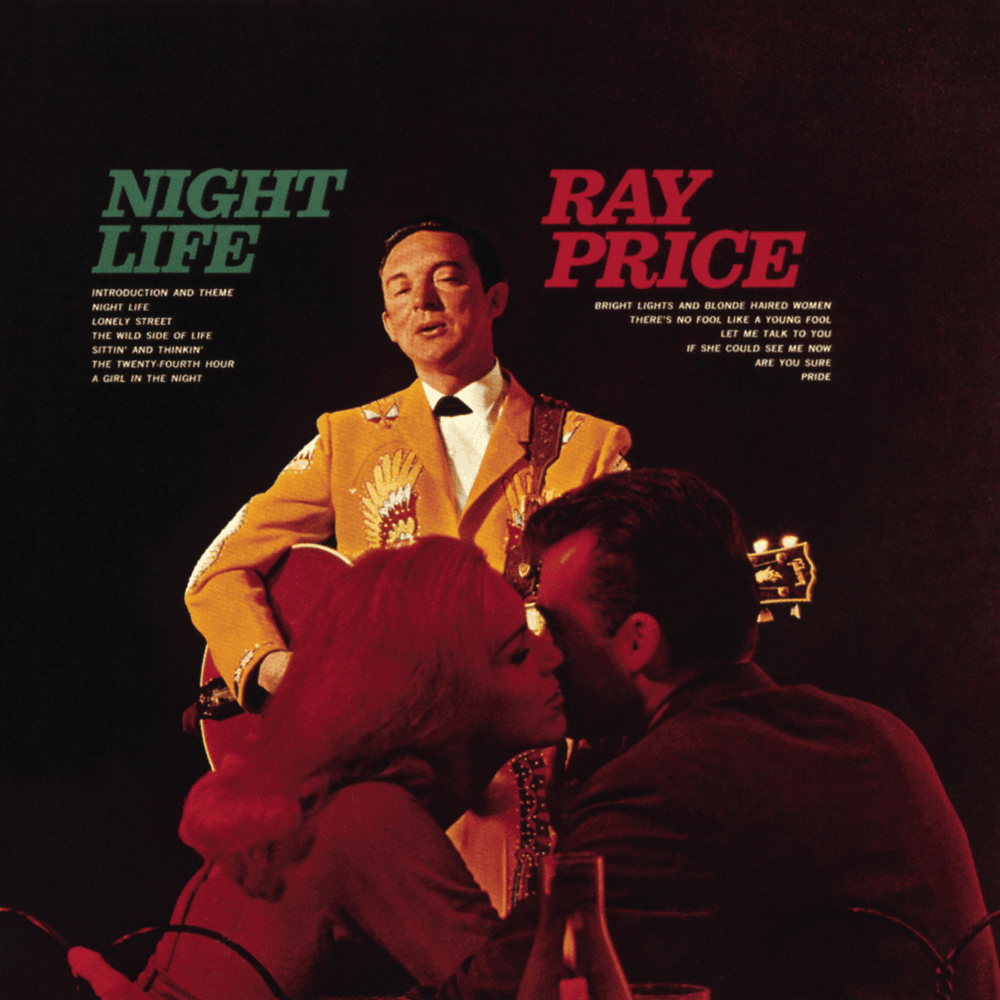
Ray Price's "Lonely Street" isn't a physical location; it's a state of profound emotional desolation, a psychic geography mapped by heartbreak. The repeated question, "Where's this place called Lonely Street," underscores the narrator's desperate search for a space that mirrors his internal landscape. He's not just sad; he's actively seeking a refuge *defined* by sadness, a place where his grief can be validated and amplified. This speaks to a deep-seated need for external validation of internal pain, a common thread in the human experience of loss. The lyrics subtly suggest that isolation, however painful, can paradoxically feel like a form of belonging when one is grieving. He wants to be among others with “broken dreams and mem’ries.”
The "dim lights" and the promise of "forgetfulness" hint at the allure of oblivion, a temporary escape from the sharp edges of reality. The street becomes a metaphor for numbing oneself to the pain, perhaps through substance use or simply withdrawing from life. The steel guitar and fiddle, weeping in the instrumental break, only amplify this sense of melancholic yearning. The song never finds “Lonely Street,” because it is not a location, but a state of mind, and the singer appears to be succumbing to that state.
Ultimately, "Lonely Street" is a poignant exploration of how we seek external reflections of our internal states, especially in times of grief. The song suggests that while such a search may offer temporary solace, true healing requires confronting the source of the pain, rather than simply finding a place to wallow in it. Price doesn't offer easy answers, but he masterfully captures the raw, desperate feeling of being adrift in a sea of sorrow, searching for a lighthouse that may or may not exist.
 View Artist