Song Meaning
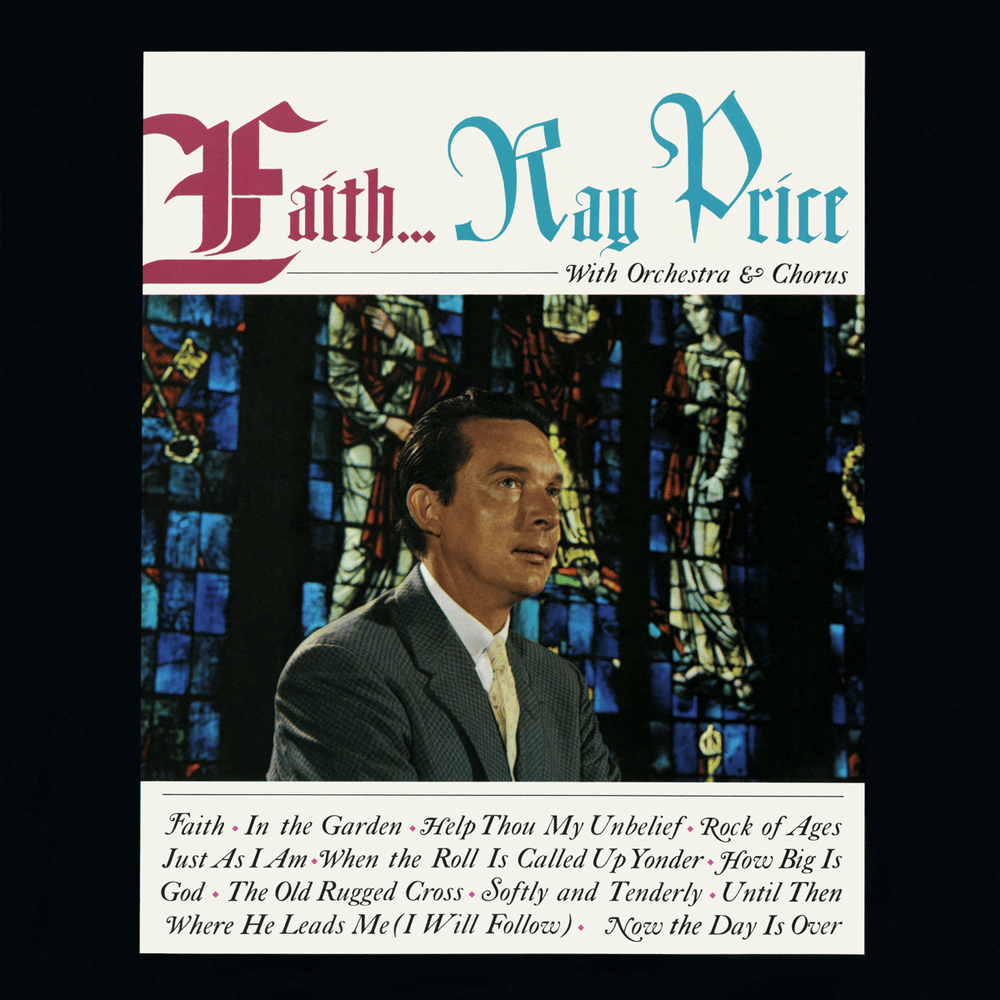
Ray Price's rendition of "Just As I Am" isn't merely a song; it's a raw, unvarnished testament to faith stripped bare. The beauty, and the inherent psychological weight, lies in its utter simplicity. It's an acknowledgement of human imperfection, a concept often lost in the noise of modern existence. There's no striving for moral high ground, no pretense of worthiness – only the stark admission of being "without one plea." The lyrics, penned by Charlotte Elliott and set to William Bradbury's melody, bypass elaborate theological arguments and tap directly into the core of vulnerability that resides within us all. It’s a sonic portrait of radical acceptance, both divine and self-directed. Price's delivery, steeped in the tradition of classic country, further amplifies this sense of unadorned sincerity.
The repeated invocation of the "Lamb of God" serves as both a plea and a statement of belief. It's a surrender, an acknowledgement of a power greater than oneself that possesses the capacity for cleansing and redemption. The phrase "to rid my soul of one dark blot" isn't about achieving perfect purity; it's about finding solace and acceptance in the face of inherent human fallibility. The song's genius resides in its accessibility. It doesn't demand intellectual assent or adherence to complex dogma. Instead, it offers a direct line to a sense of grace, available to anyone, regardless of their past or present circumstances. This is not a song of triumph, but of humility.
The cyclical nature of the lyrics, particularly the repeated phrase "Oh, Lamb of God I come, I come," reinforces the idea of continuous seeking and ongoing repentance. It's a reminder that faith isn't a static state, but a dynamic process of acknowledging one's shortcomings and turning towards something greater. The song's power rests in its universality. It speaks to the fundamental human desire for forgiveness, acceptance, and a sense of belonging, themes that transcend denominational boundaries and resonate deeply with the human condition. Ray Price's interpretation, therefore, becomes more than just a performance; it becomes an invitation to confront one's own imperfections and to find solace in the promise of unconditional love.
 View Artist