Song Meaning
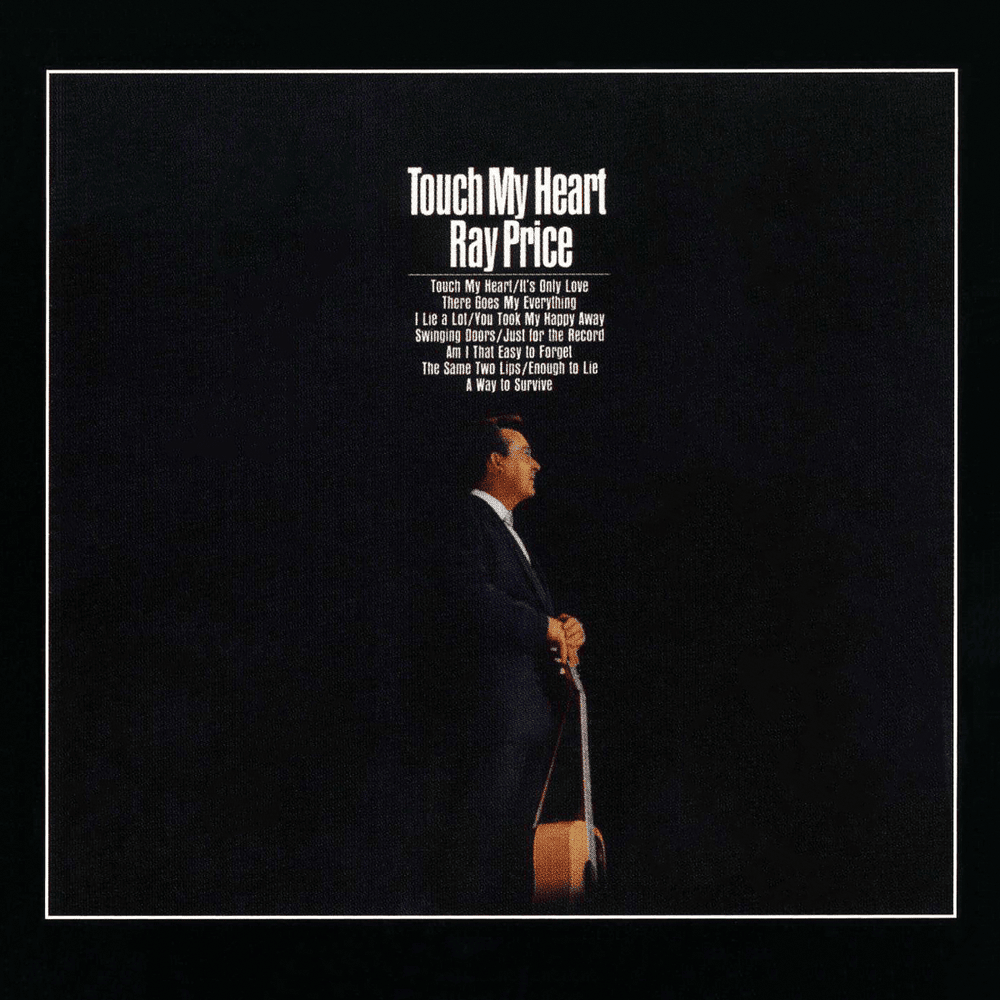
Ray Price's "It's Only Love" isn't a defiant kiss-off; it's a slow, agonizing unraveling disguised as a shrug. The song meaning hinges on the repeated phrase "it's only love, it'll go away," which sounds less like a confident prediction and more like a desperate mantra. He's caught in the undertow of heartbreak, clinging to the idea of eventual healing while simultaneously drowning in the present pain. The lyrics reveal a man acutely aware of his own clinginess and slightly pathetic behavior – calling late at night, obsessing over old conversations – yet powerless to stop himself.
The brilliance, and the tragedy, lies in the contrast between the upbeat tempo (assumed, given Price's style) and the lyrical content. It's the sonic equivalent of whistling past a graveyard. He attempts to minimize the devastation by labeling it "only love," a phrase that drips with both self-pity and a faint glimmer of hope. The line "at least that's what you say" carries significant weight, implying that this platitude is a borrowed one, likely uttered by the departing lover as a final, dismissive comfort.
The song's power resides in its vulnerability. Price isn't portraying a stoic cowboy riding off into the sunset. Instead, he's exposing the raw, messy, and often embarrassing reality of heartbreak – the late-night calls, the obsessive memories, the desperate clinging to a love that's already gone. The repetition of "it's only love it'll go away" becomes less a statement of fact and more a fragile shield against the overwhelming pain, a shield that seems destined to shatter with each repetition. The lyrics analysis reveals a universal truth: even knowing heartbreak is temporary doesn't lessen the immediate agony.
 View Artist