Song Meaning
Ray Price's rendition of "In the Garden" isn't merely a hymn; it's an intimate dialogue with faith, stripped bare of dogma and pomp. The song's power resides not in grand pronouncements but in the quiet, dew-kissed solitude where personal revelation occurs. It speaks to the core human desire for connection, projecting that longing onto a divine figure accessible not through ritual, but through direct, almost sensual experience. The garden becomes a metaphor for the soul, a private Eden where the believer can walk and talk with their God, forging a bond so profound it eclipses earthly understanding. Price's delivery amplifies this sense of personal communion, transforming a familiar religious narrative into a deeply felt emotional landscape. The song meaning, therefore, hinges on this idea of individualized faith, where the divine whispers directly to the heart.
The lyrics themselves are deceptively simple, yet resonate with layers of meaning. The recurring lines, "And he walks with me and he talks with me / And he tells me I am his own," emphasize the reciprocal nature of the relationship. It's not about blind obedience, but a shared journey, a conversation where the believer feels seen, heard, and claimed. The mention of birds silencing their song underscores the sacredness of the moment, suggesting that even nature recognizes the profound intimacy unfolding. This isn't a God of thunder and fire, but one who offers solace and belonging in the quiet corners of existence. The absence of overt suffering or struggle further emphasizes the song's focus on the joyful, comforting aspects of faith.
Ultimately, Ray Price’s interpretation of “In the Garden” offers a vision of faith that's less about adherence to doctrine and more about the transformative power of personal connection. It's an invitation to find your own sacred space, to listen for that still, small voice that whispers of acceptance and belonging. The song’s enduring appeal lies in its ability to tap into this universal desire for intimacy with something larger than ourselves, rendering the divine not as a distant authority, but as a companion on life's journey.
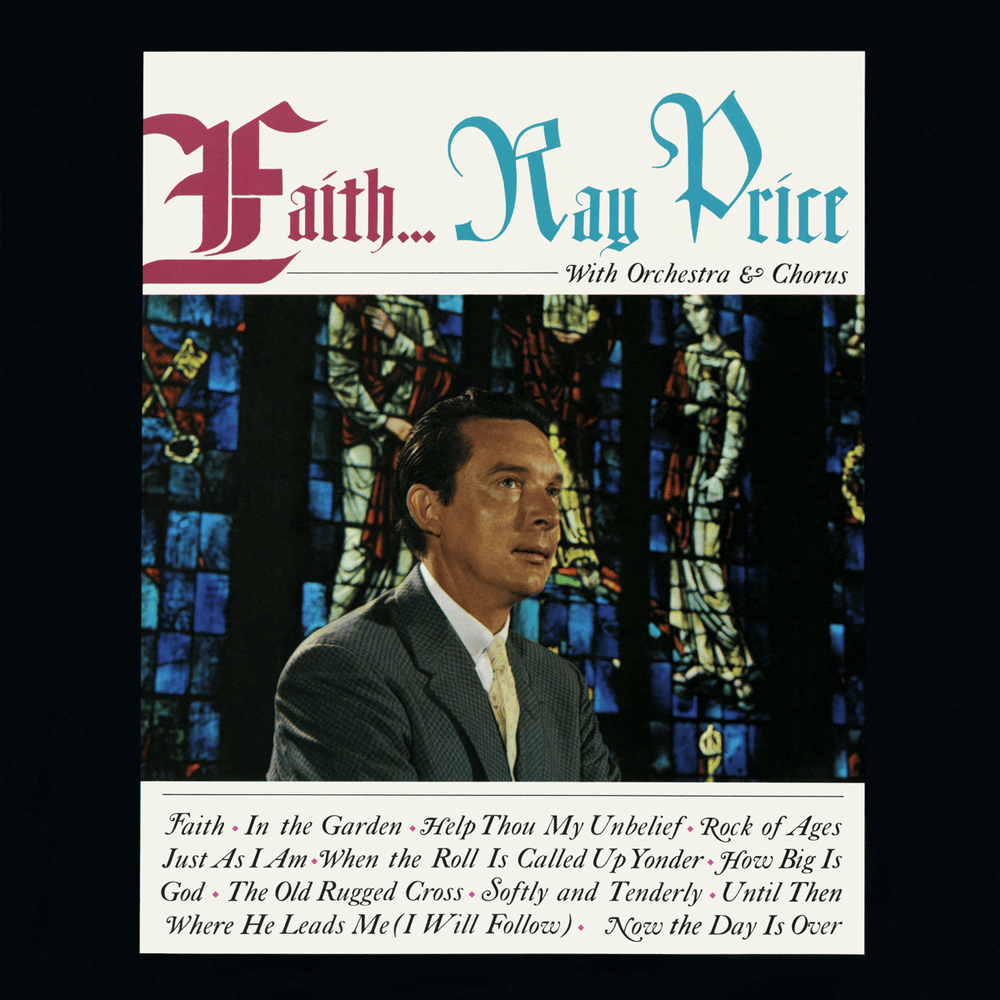
 View Artist