Song Meaning
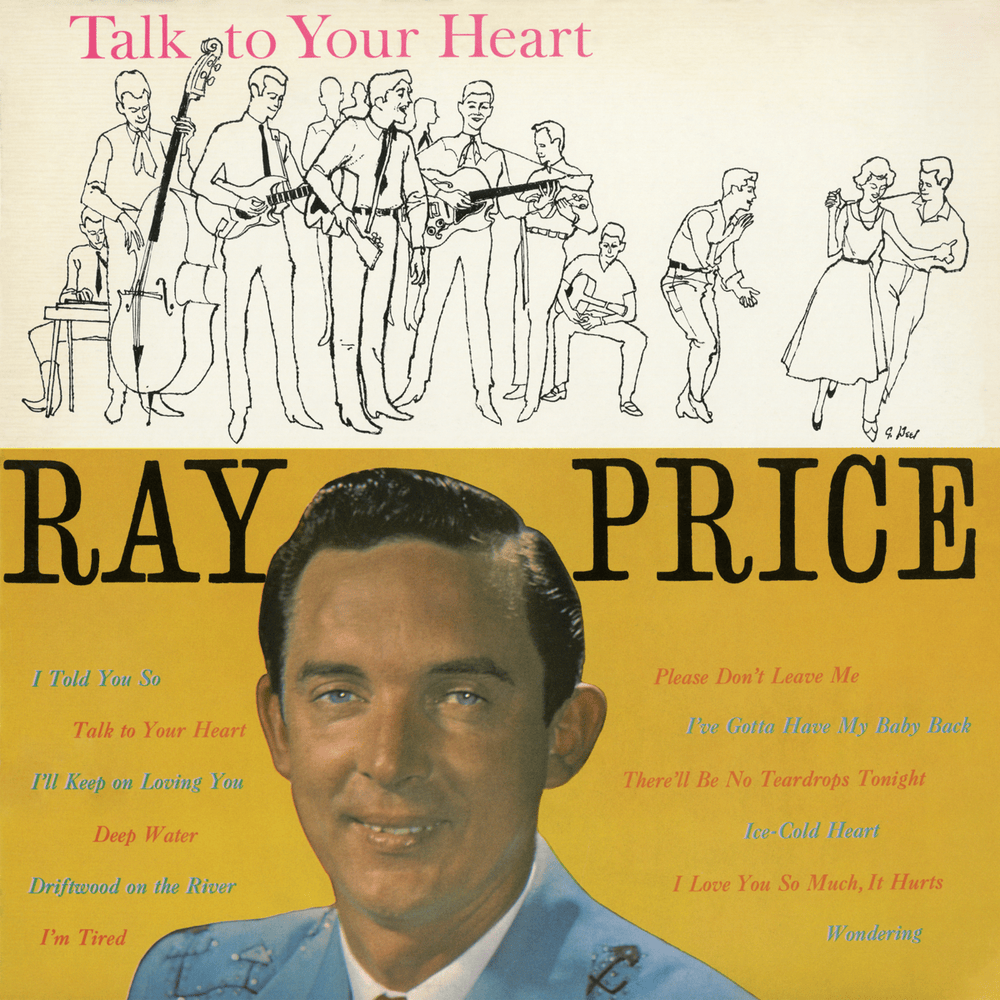
Ray Price's "I'll Keep On Loving You" isn't just a declaration of love; it's an exploration of existential dependency. The lyrics stake the singer's emotional stability on the continued existence of both the cosmos and the beloved. It's a bold move, linking personal happiness to universal constants like the Earth's rotation and the predictable arrival of dawn. This isn't just about romance; it's about the profound human need to find anchors in a chaotic world. The repeated phrase "I'll keep on loving you" functions less as a promise and more as a mantra, a desperate attempt to impose order on an unpredictable reality. The singer seems to imply that the very structure of the universe is validated by his love, and his love is validated by the structure of the universe.
The second verse introduces a darker, more vulnerable element. The line, "If I ever should lose you, then I know just what I'll do, I'll just keep on loving you," reveals a kind of obsessive persistence. It suggests that even in absence, the singer's emotional life would remain tethered to the lost love, a phantom limb of the heart. This isn't necessarily healthy; it hints at a potential inability to move on, a fixation that transcends the boundaries of a typical relationship. The declaration of faithfulness adds a layer of moral commitment to the dependency, implying that this love is not just a feeling, but a conscious choice and a steadfast vow.
Ultimately, the song's meaning resides in this tension between devotion and dependency. While the unconditional nature of the love is initially presented as romantic and reassuring, it becomes increasingly clear that the singer's sense of self is inextricably linked to the presence and reciprocation of the beloved. "I'll Keep On Loving You" is a beautiful, if slightly unsettling, portrait of a love that borders on all-consuming, a testament to the human capacity for both profound connection and potentially unhealthy attachment. The song subtly suggests that the line between unwavering devotion and existential need can be blurrier than we often acknowledge.
 View Artist