Song Meaning
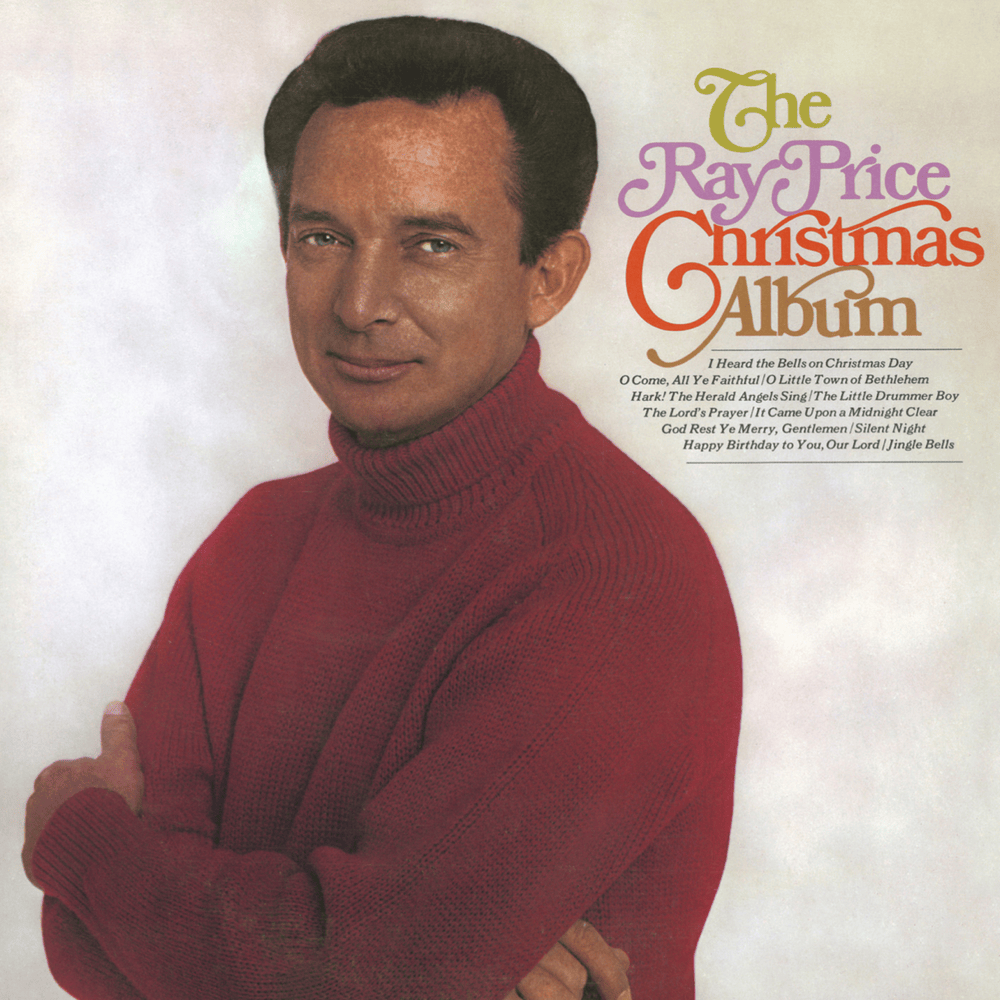
Ray Price's rendition of "I Heard the Bells on Christmas Day" is more than just a holiday carol; it's a stark confrontation with the dissonance between the idealized vision of Christmas and the often brutal reality of the world. The song, penned originally as a poem by Henry Wadsworth Longfellow during the American Civil War, carries a heavy weight of historical context, a lament for a nation torn apart. Price's interpretation, imbued with his signature country gravitas, amplifies the inherent tension within the lyrics. The initial verses paint a picture of traditional Christmas joy, the 'old familiar carols' ringing out with the promise of 'peace on earth, goodwill to men.' This idyllic soundscape, however, quickly shatters.
The emotional core of the song resides in the speaker's despair. The line 'there is no peace on earth I said / For hate is strong that mocks the song' encapsulates a profound disillusionment. It's a sentiment that resonates far beyond the immediate context of the Civil War. It speaks to the enduring human capacity for conflict, the way in which hatred and violence can drown out the hopeful messages of the season. The bells, initially symbols of celebration, become a painful reminder of the world's failure to live up to its ideals. This is where the song transcends simple holiday cheer, diving into the psychological depths of grief and disappointment.
Yet, the song doesn't wallow in despair. The final verses offer a glimmer of hope, a defiant assertion that 'God is not dead, nor doth He sleep.' This isn't a naive optimism but rather a hard-won faith, a belief that 'the wrong shall fail, the right prevail.' The renewed peal of the bells represents a resurgence of hope, a refusal to surrender to cynicism. "I Heard the Bells on Christmas Day," as performed by Ray Price, therefore becomes a complex meditation on faith, doubt, and the enduring human need for peace, even in the face of overwhelming darkness. The song's meaning lies in its unflinching portrayal of both the beauty and the brutality of the human experience, particularly during a time of year associated with goodwill.
 View Artist