Song Meaning
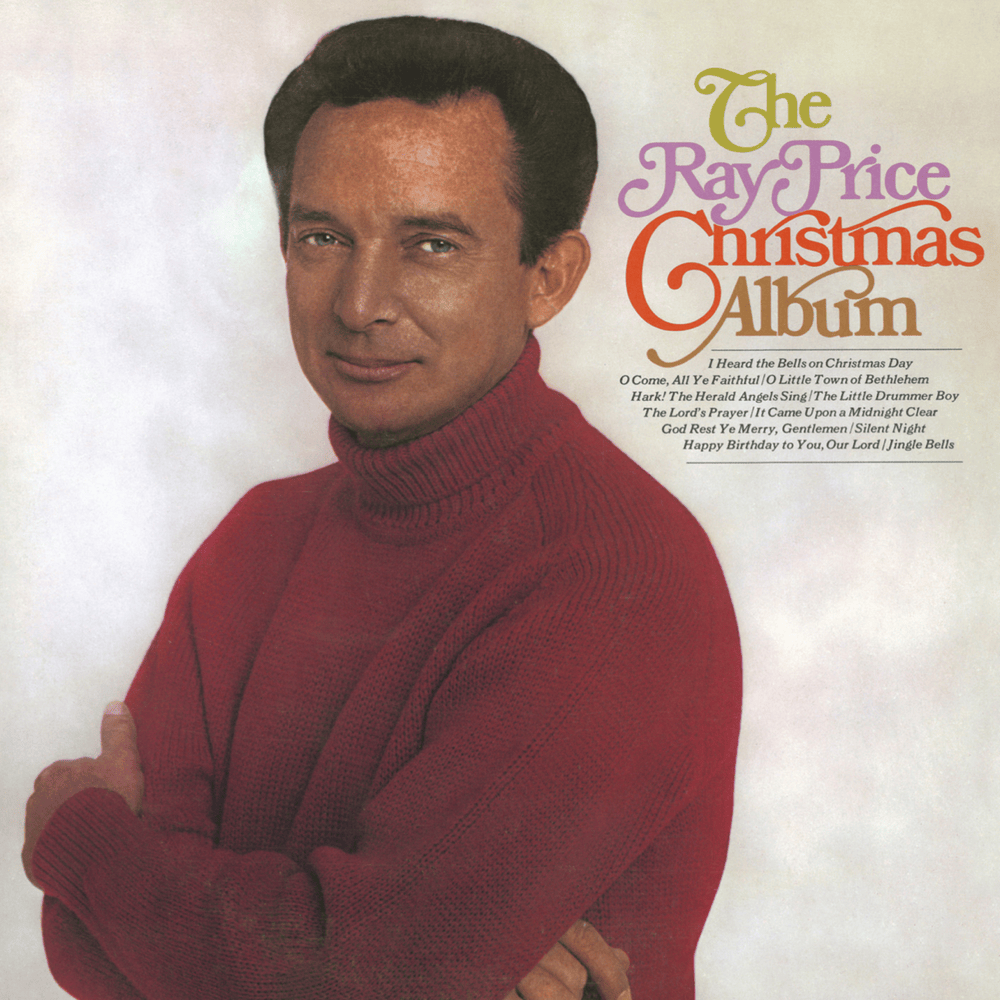
Ray Price's rendition of "Hark the Herald Angels Sing," a Christmas carol deeply embedded in Western culture, transcends mere holiday cheer, functioning as a potent symbol of psychological reconciliation. At its core, the song’s repeated invocation of "peace on earth and mercy mild, God and sinners reconciled" points to a fundamental human yearning for atonement and the resolution of internal conflict. The lyrics don't simply narrate a historical event; they articulate a profound desire to bridge the chasm between the ideal self and the perceived failings of the human condition. It's a sonic balm applied to the universal wound of imperfection.
The call for "joyful all ye nations rise" suggests a collective striving towards a higher state of being, a unified transcendence of earthly struggles. The song cleverly uses the birth of Christ as a metaphor for personal rebirth, a shedding of past burdens and an embrace of hope. Price’s delivery, likely imbued with his signature warmth and sincerity (though specific details of his version are unknown), amplifies this message, turning a religious narrative into an emotionally resonant invitation for psychological renewal. The proclamation of Christ's birth in Bethlehem, echoed by the angelic host, underscores the power of belief and the potential for transformative change, no matter how humble the origin.
Ultimately, the enduring appeal of "Hark the Herald Angels Sing," especially as interpreted by an artist of Price's caliber, lies in its ability to tap into the deepest reservoirs of human longing. It's a reminder that even amidst chaos and imperfection, the possibility of peace—both internal and external—remains perpetually within reach. The song serves not just as a celebration, but as a continuous, cyclical promise of redemption and the enduring power of hope against the backdrop of human frailty. The song meaning is intrinsically tied to the human experience of seeking solace and meaning, particularly during times of reflection and introspection.
 View Artist