Song Meaning
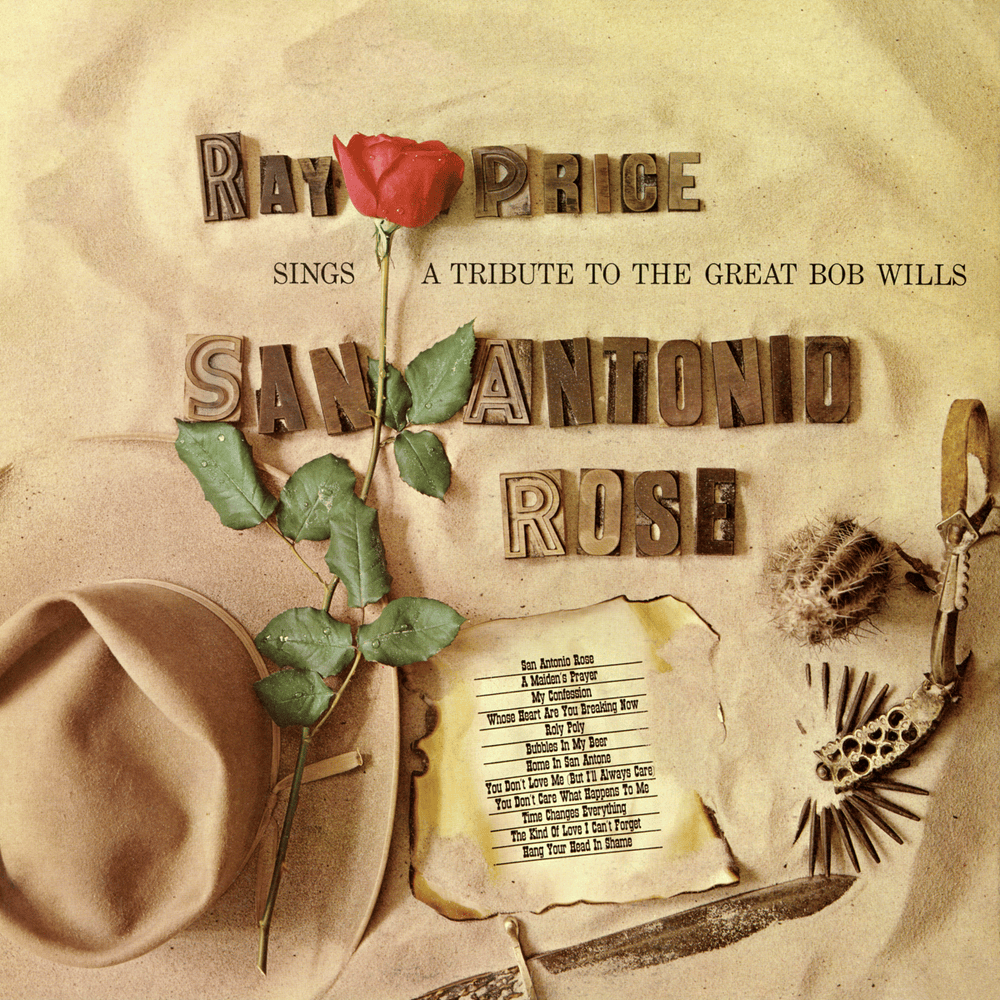
Ray Price's "Hang Your Head In Shame" isn't just a country lament; it's a masterclass in passive aggression, dipped in the honeyed tones of vintage heartbreak. The song meaning revolves around betrayal and the quiet daggers of regret. Price doesn't explode with anger; instead, he opts for a slow burn, a calculated shaming of the one who wronged him. The genius lies in the implied power dynamic. He's not begging for forgiveness or reconciliation. He's demanding they confront their conscience. He's forcing them to carry the weight of their actions, a burden arguably heavier than any shouted accusation. The repeated refrain, "hang your head in shame," becomes a hypnotic suggestion, a curse whispered with velvet menace. It's a brilliant lyrical strategy, turning outward pain into a weaponized form of self-preservation.
Beneath the surface of wounded pride simmers a complex interplay of love and resentment. The lines "I should hate you but I love you still/In my heart I've kept the flame" reveal the central conflict. This isn't a clean break; it's a messy entanglement of lingering affection and justifiable bitterness. The flame, a classic symbol of enduring passion, becomes almost a symbol of foolishness. He's trapped, bound to someone who clearly doesn't deserve his devotion. This internal struggle elevates the song beyond a simple tale of infidelity. It's a portrait of a man wrestling with his own heart, even as he attempts to publicly shame the object of his affection.
"Hang Your Head In Shame" ultimately transcends its countrypolitan roots, becoming a study in human vulnerability and the subtle art of emotional manipulation. The true genius of the song is its ability to make the listener complicit. We're not just hearing a heartbroken man's plea; we're witnessing a carefully orchestrated campaign of guilt. And perhaps, that's the most devastating revenge of all. The song's meaning resides not just in the lyrics, but in the chilling realization of how easily we can all become both victim and perpetrator in the theater of love and loss.
 View Artist